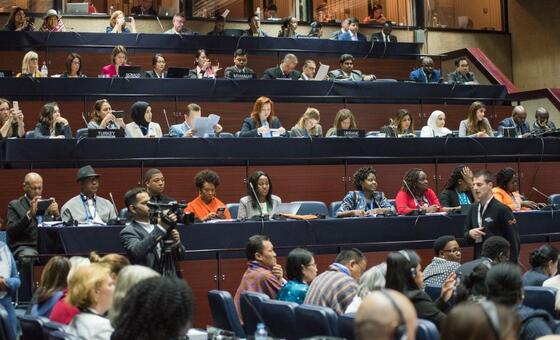
Impact
The IPU facilitates parliamentary diplomacy and empowers parliaments and parliamentarians to promote peace, democracy and sustainable development around the world.
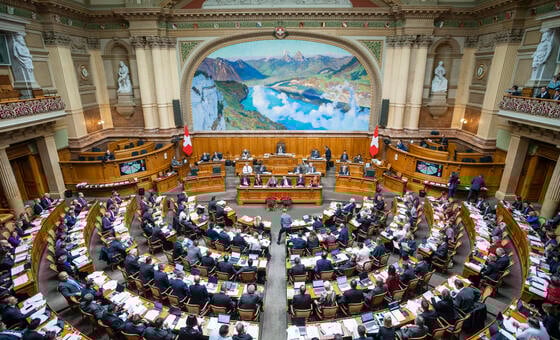
The global security landscape is shifting as long-standing disarmament challenges converge with emerging risks driven by new technologies and rising geopolitical tensions. These dynamics amplify the need for transparent, responsible and people-centred approaches to security. This webinar, organised in partnership with the Strategic Concept for Removal of Arms and Proliferation (SCRAP) hosted by the School of Oriental and African Studies (SOAS) University of London, will examine how parliaments can strengthen their legislative, budgetary and oversight roles to address these evolving risks, integrate youth perspectives and expertise into national debates, and reinforce international cooperation on disarmament. It will highlight how meaningful engagement with young MPs and experts can help ensure that future security policies remain inclusive, forward-looking, and firmly grounded in peace, human rights and global stability.

Session 1: Timed for the Asia/Pacific region – 7:00 – 9:00 CET https://us06web.zoom.us/meeting/register/H8bamqQ2QmC3ZnHIle3NUw
Session 2: Timed for Africa, Europe and the Americas – 16:30 – 18:30 CET https://us06web.zoom.us/meeting/register/JYvcMgNVQ2mTG6rMPEGfuQ
