Impact
The IPU facilitates parliamentary diplomacy and empowers parliaments and parliamentarians to promote peace, democracy and sustainable development around the world.

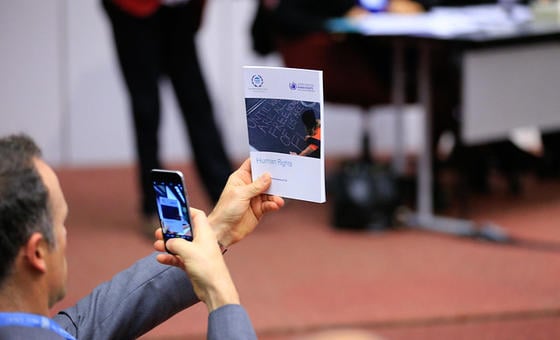
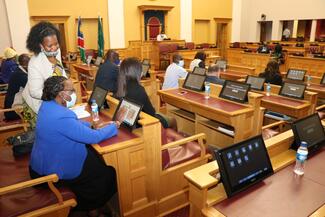
Vaapi Kaenda (standing) with a Member during training for members on the use of the new digital conference management system in 2020 (Credit: Information Department, Parliament of Namibia)
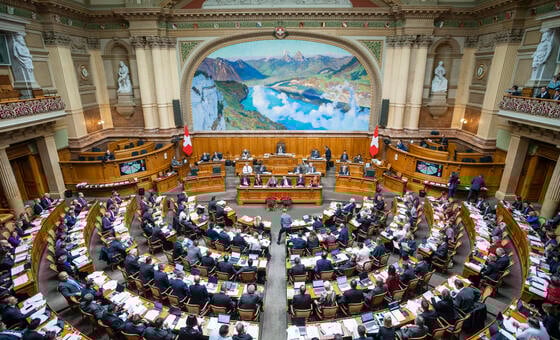
The CIP team spoke with Vaapi Kaenda, System Administrator at the Parliament of Namibia, about the “digital-first” chamber that was introduced in 2020. While this initiative was initially designed with paperless plenary sessions in mind, it also resulted in changes in behaviour and attitudes towards digital tools among members, as well as new opportunities for public engagement.
CIP: Can you tell us more about the modernization of the Chamber of the Namibian Parliament?
VK: In 2020, the parliament implemented a comprehensive digital conference management system in the chamber. This was aimed at supporting paperless proceedings, including the electronic distribution of order papers, minutes, speeches and more. Our members and senior officers were acutely aware of the paper waste, evidenced by the stacks of paper that would remain behind after sessions. In response, a working group of senior staff and members worked on a proposal for a digital-first chamber, which was then implemented.
CIP: What is the impact of the digital-first chamber?
VK: Introducing the system required change management, including preparing members for paperless conferencing. Our members quickly learned how to work with the system through extensive training. The fact that they were involved at the very start of the project, and were kept informed at every step, helped a lot. Now we have members who are confident in working digitally and are now achieving around 95% of electronic document circulation, with just a few members still requesting hard copies. And even they are slowly changing their attitude. While only the Chamber can currently operate paperless, members are now pushing for committees to reduce paper waste too.
Looking at the printing cost, there are tremendous savings. For staff of the Table office, the burden of printing every document 104 times has lessened significantly.
For the public, the impact has been significant too. New live streaming capabilities mean the Parliament now streams every session live in its entirety on both Facebook and YouTube. Contrast this to the recent past, when media TV channels came to parliament to record footage and broadcast only portions of sittings. Now the same TV channels plug in and make use of our HD digital feed.
CIP: What’s next?
VK: We are working on a permanent set of rules to support hybrid sittings at all times, regardless of whether there is a crisis or pandemic. Also, we are developing a Members’ App to support remote working and sittings, and using this opportunity to introduce a public engagement feature for members called “The Voice of Namibia”.
CIP: What message do you have for other parliaments that want to create a digital-first chamber?
VK: Prepare well for change management. Listen early on to the feedback of end-users and make the systems user friendly. Finally, look at all the document and information workflows, not just within the system, but also every actor it interacts with, such as the executive and the public.