The IPU facilitates parliamentary diplomacy and empowers parliaments and parliamentarians to promote peace, democracy and sustainable development around the world.
We help parliaments build peaceful and inclusive societies, fight terrorism and violent extremism and curb the proliferation of weapons of mass destruction.
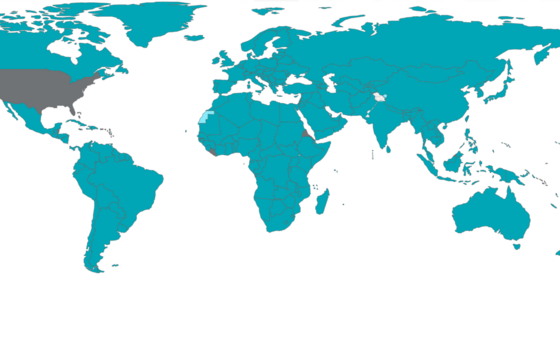
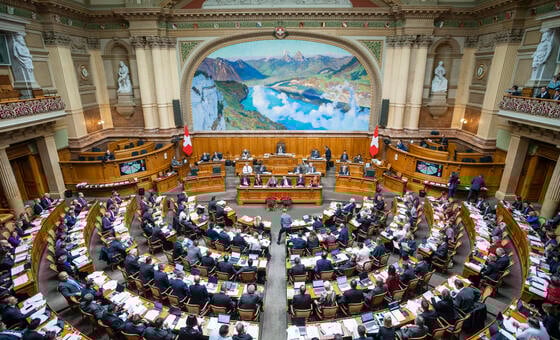
Nearly every country in the world has some form of parliament. Parliamentary systems fall into two categories: bicameral and unicameral. Out of 188 national parliaments in the world, 81 are bicameral (162 chambers) and 107 are unicameral, making a total of 269 chambers of parliament with some 44,000 members of parliament. IPU membership is made up of 183 national parliaments
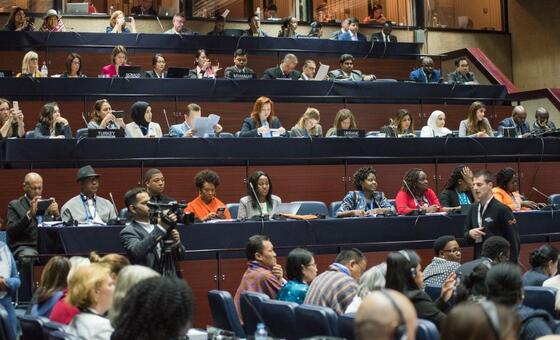
Throughout the year, the IPU and its Members organize many events for parliamentarians to exchange good practices, acquire the latest information and identify avenues for action.
The IPU has been collecting data on parliaments since its inception in 1889, including information on women’s participation in politics since 1945. In this section, discover the IPU's knowledge bank for and about parliaments.
The National Assembly of Malawi has recently modernized its parliamentary reporting processes by introducing new digital tools and methods to record and produce transcripts of plenary proceedings.
The Chamber of Deputies of Italy is embracing and promoting the benefits of a modern workplace, showing how hybrid technologies can support more efficient working practices and make the legislative processes more resilient.
Hybrid sittings have demonstrated their worth in times of crisis. But they can now be seen as valuable tools for building more accessible and inclusive institutions.
On 25 January 2023, the IPU’s Centre for Innovation in Parliament held a webinar as part of the launch of the World e-Parliament Report 2022. The event looked at how the period of “enforced innovation” brought about by the COVID-19 pandemic had affected parliamentary working methods and practices.
The World e-Parliament Report 2022, the seventh in the series, focuses on how parliaments have been changed by the COVID-19 pandemic, revealing how innovation and digital technologies are offering greater potential for improvements in parliamentary functioning.
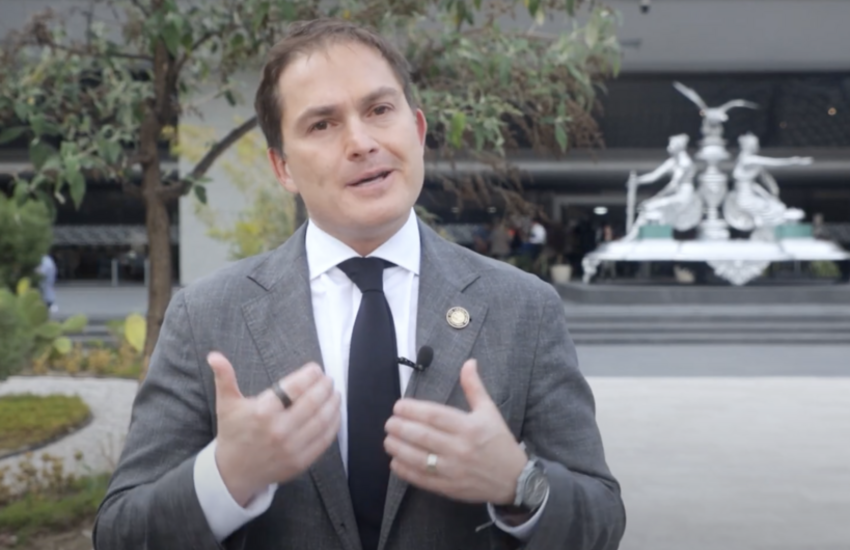
Javier Joaquín López Casarín, MP, shares with the IPU the progress the Mexican Chamber of Deputies has made in the face of the climate emergency. The views and opinions expressed by parliamentarians on IPU platforms are their own and do
On 23 March 2022, in the context of the 144th IPU Assembly, IPU Member Parliaments adopted by consensus an emergency item resolution on the Peaceful resolution of the war in Ukraine, respecting international law, the Charter of the United Nations
The Inter-Parliamentary Union (IPU) is the global organization of parliaments. It was founded in 1889 as the first multilateral political organization in the world, encouraging cooperation and dialogue between all nations. Today, the IPU comprises 179 national Member Parliaments and
Organizational setting and reporting relationships: The consultant will work in the International Development Programme of the Division of Programmes of the Inter‑Parliamentary Union. In performing her/his duties, the consultant will report to the Programme Manager for International Development. Accountabilities: Within