The IPU facilitates parliamentary diplomacy and empowers parliaments and parliamentarians to promote peace, democracy and sustainable development around the world.

We help parliaments build peaceful and inclusive societies, fight terrorism and violent extremism and curb the proliferation of weapons of mass destruction.
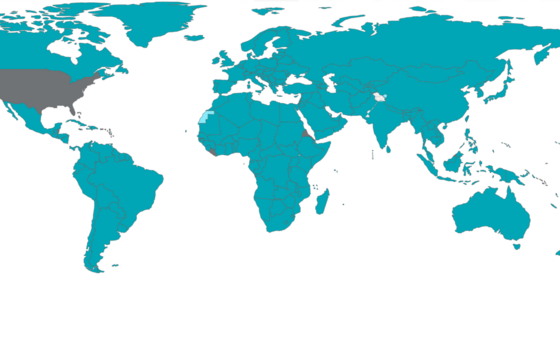
Nearly every country in the world has some form of parliament. Parliamentary systems fall into two categories: bicameral and unicameral. Out of 188 national parliaments in the world, 81 are bicameral (162 chambers) and 107 are unicameral, making a total of 269 chambers of parliament with some 44,000 members of parliament. IPU membership is made up of 183 national parliaments
Throughout the year, the IPU and its Members organize many events for parliamentarians to exchange good practices, acquire the latest information and identify avenues for action.
The IPU has been collecting data on parliaments since its inception in 1889, including information on women’s participation in politics since 1945. In this section, discover the IPU's knowledge bank for and about parliaments.
Second Regional Seminar for African Parliaments on Achieving the Sustainable Development Goals
Dec052022
-
,
Djibouti
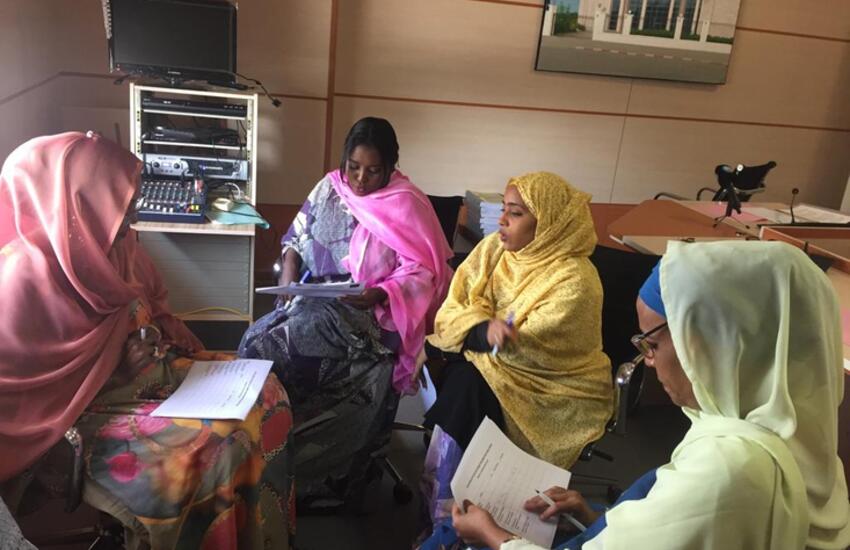
The Second Regional Seminar for African Parliaments on Achieving the Sustainable Development Goals will be hosted by the National Assembly of Djibouti and jointly organized with the Inter-Parliamentary Union.
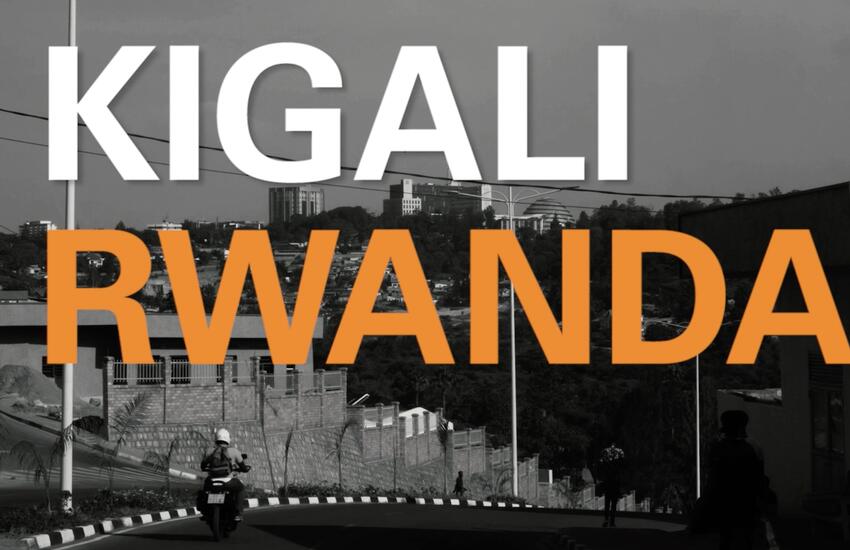
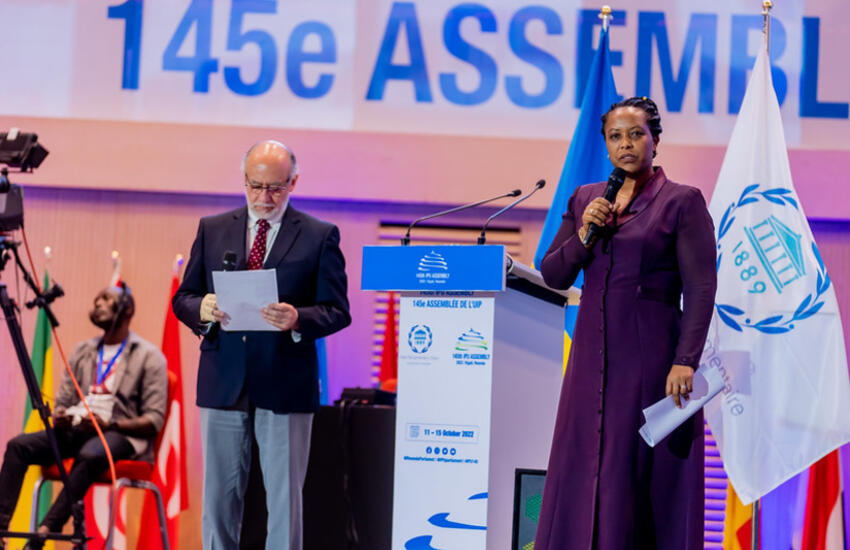
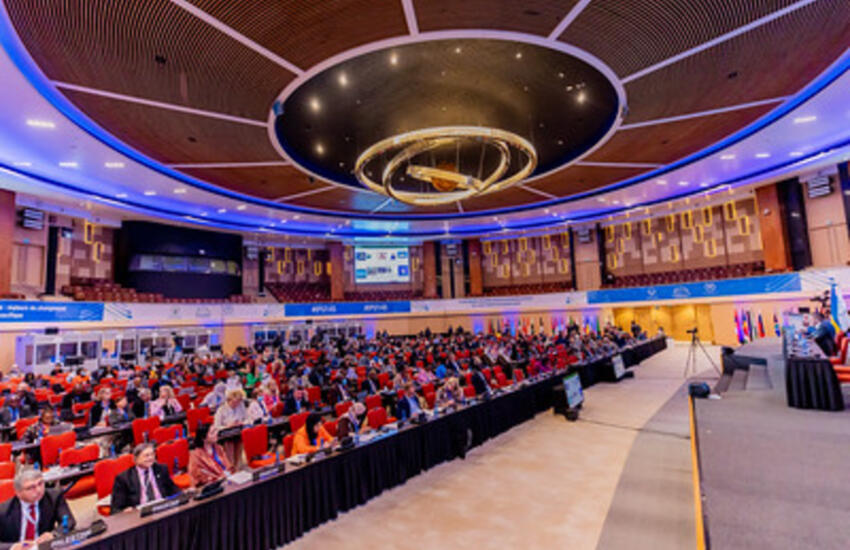
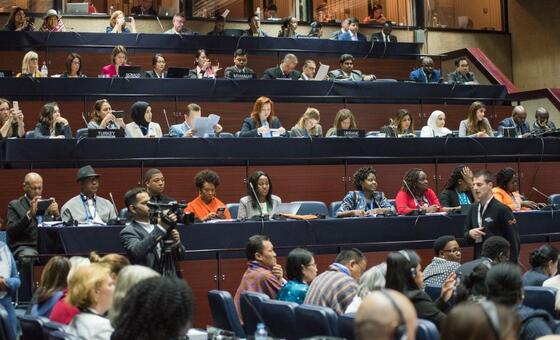
The 145th IPU Assembly took place in Kigali, Rwanda from 11-15 October in partnership with the Parliament of Rwanda. Some 1000 delegates, of whom close to 600 were MPs, attended, representing 120 countries. What were the takeaways? What were the
Background The Inter-Parliamentary Union (IPU) is the global organization of parliaments. It was founded in 1889 as the first multilateral political organization in the world, encouraging cooperation and dialogue between all nations. Today, the IPU comprises 178 national Member Parliaments
Parliamentarians from around the world have adopted the Kigali Declarat ion Gender equality and gender-sensitive parliaments as drivers of change for a more resilient and peaceful world at the end of the 145th IPU Assembly in Kigali, Rwanda. The Declaration
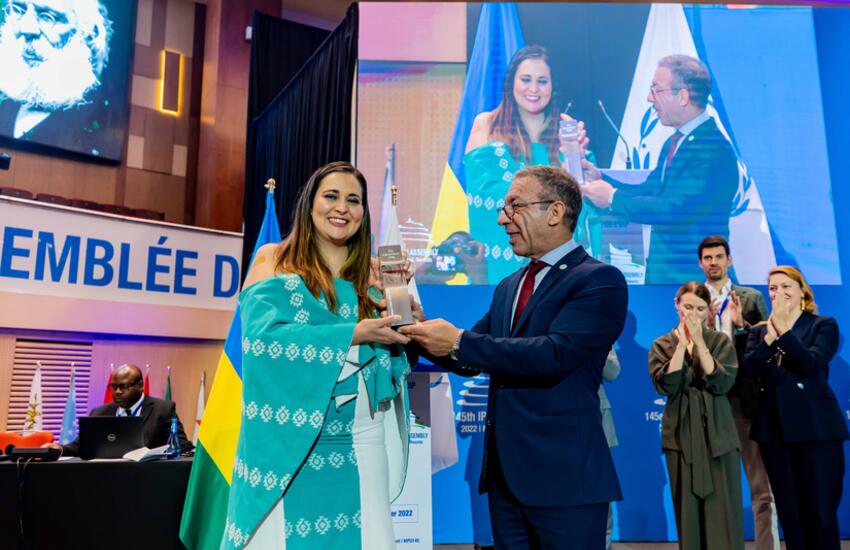
Ms. Cynthia Lopez Castro of Mexico, and the Chairman and all the Members of the Verkhovna Rada of Ukraine have been awarded the first Cremer-Passy Prize at the 145th IPU Assembly in Kigali, Rwanda. The prize is named after the
The 145th IPU Assembly in Kigali, Rwanda has adopted a resolution on Ukraine entitled Condemnation of the invasion of Ukraine and of the subsequent annexation of territories, in defence of the territorial integrity of all States. The resolution calls for
What happens after an IPU Assembly? What actions do the IPU Member Parliaments take once they get back home? IPU Members are strongly encouraged to follow up on resolutions and outcomes that come out of any IPU Assembly across an