The IPU facilitates parliamentary diplomacy and empowers parliaments and parliamentarians to promote peace, democracy and sustainable development around the world.
We help parliaments build peaceful and inclusive societies, fight terrorism and violent extremism and curb the proliferation of weapons of mass destruction.
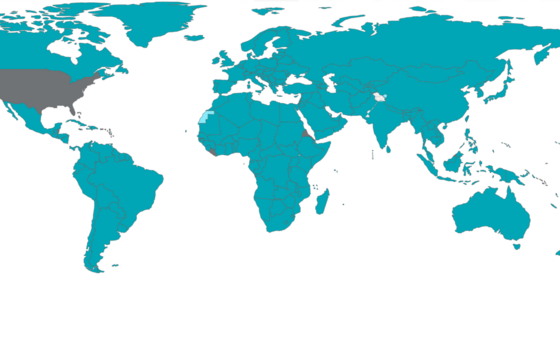
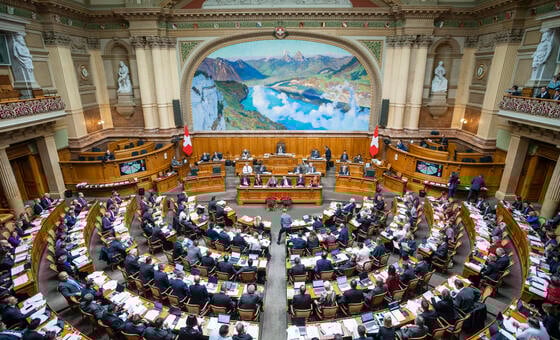
Nearly every country in the world has some form of parliament. Parliamentary systems fall into two categories: bicameral and unicameral. Out of 188 national parliaments in the world, 81 are bicameral (162 chambers) and 107 are unicameral, making a total of 269 chambers of parliament with some 44,000 members of parliament. IPU membership is made up of 183 national parliaments
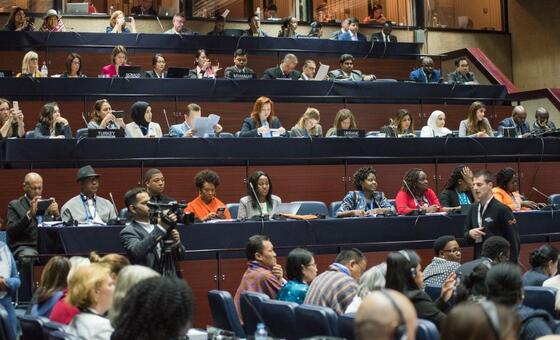
Throughout the year, the IPU and its Members organize many events for parliamentarians to exchange good practices, acquire the latest information and identify avenues for action.
The IPU has been collecting data on parliaments since its inception in 1889, including information on women’s participation in politics since 1945. In this section, discover the IPU's knowledge bank for and about parliaments.
The Inter-Parliamentary Union (IPU) and UNHCR, the United Nations High Commissioner for Refugees, welcome the adoption of a resolution and publication of a report in support of refugees by the Parliamentary Assembly of the Council of Europe (PACE). The PACE
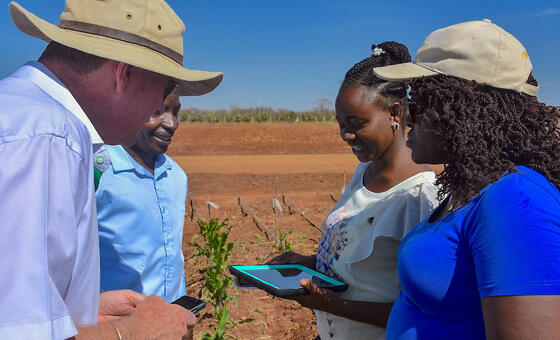
The Working Group on Science and Technology (WGST) was established by the IPU Governing Bodies to serve as the global parliamentary focal point for issues related to science and technology. The Group is composed of members of parliament who have
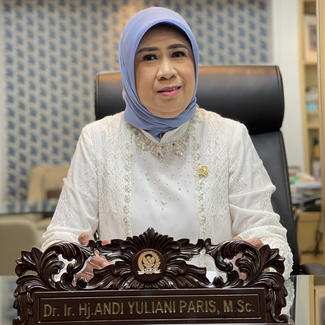
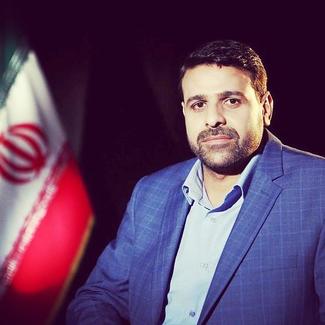
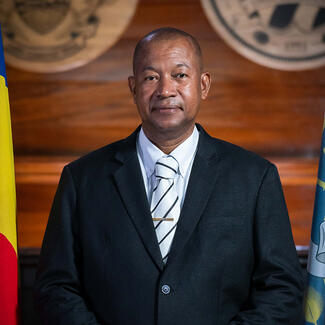
As part of the IPU series called 'A conversation with...', we interview parliamentarians from all over the world to find out who they represent and what motivates them. In this edition, we discover Radu Marian, MP from the Republic of