The IPU facilitates parliamentary diplomacy and empowers parliaments and parliamentarians to promote peace, democracy and sustainable development around the world.
We help parliaments build peaceful and inclusive societies, fight terrorism and violent extremism and curb the proliferation of weapons of mass destruction.
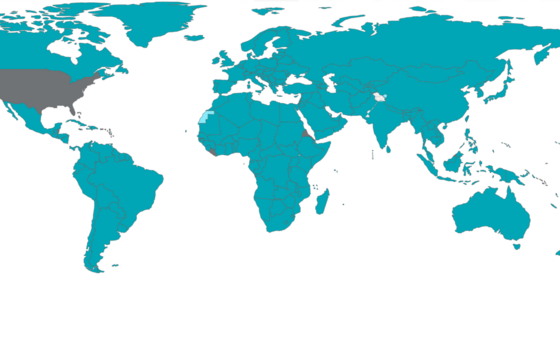
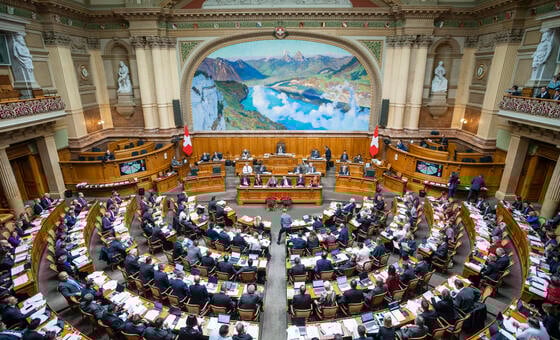
Nearly every country in the world has some form of parliament. Parliamentary systems fall into two categories: bicameral and unicameral. Out of 188 national parliaments in the world, 81 are bicameral (162 chambers) and 107 are unicameral, making a total of 269 chambers of parliament with some 44,000 members of parliament. IPU membership is made up of 183 national parliaments
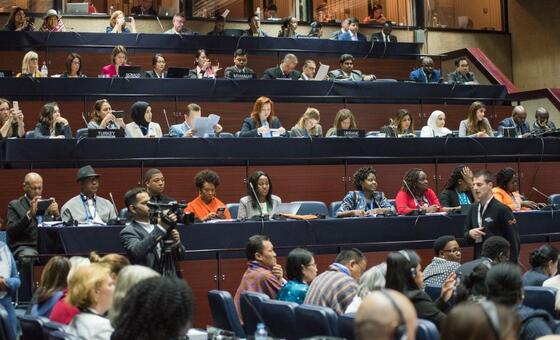
Throughout the year, the IPU and its Members organize many events for parliamentarians to exchange good practices, acquire the latest information and identify avenues for action.
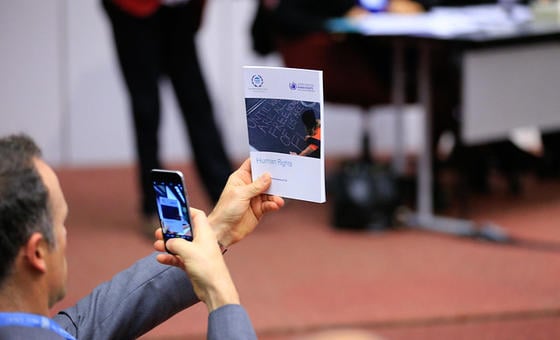
The IPU has been collecting data on parliaments since its inception in 1889, including information on women’s participation in politics since 1945. In this section, discover the IPU's knowledge bank for and about parliaments.
Assuring our Common Future is a new guide for parliaments to support disarmament for security and sustainable development. The IPU contributed to the guide in partnership with the Geneva Centre for Security Policy, Parliamentarians for Global Action, Parliamentarians for Nuclear
Background The Inter-Parliamentary Union (IPU) is the global organization of parliaments. It was founded in 1889 as the first multilateral political organization in the world, encouraging cooperation and dialogue between all nations. Today, the IPU comprises 179 national Member Parliaments