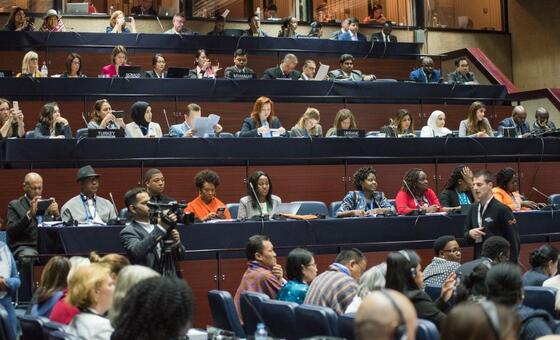
The IPU facilitates parliamentary diplomacy and empowers parliaments and parliamentarians to promote peace, democracy and sustainable development around the world.
We help parliaments build peaceful and inclusive societies, fight terrorism and violent extremism and curb the proliferation of weapons of mass destruction.
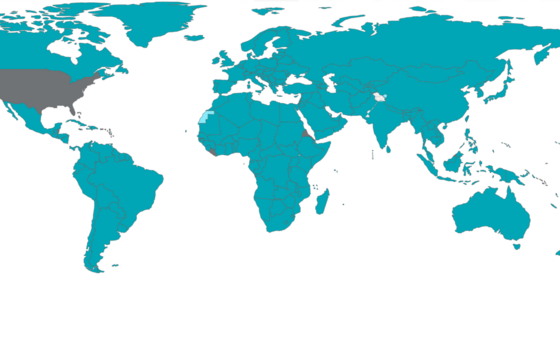
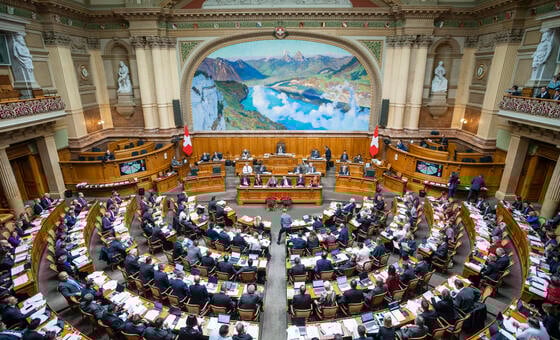
Nearly every country in the world has some form of parliament. Parliamentary systems fall into two categories: bicameral and unicameral. Out of 188 national parliaments in the world, 81 are bicameral (162 chambers) and 107 are unicameral, making a total of 269 chambers of parliament with some 44,000 members of parliament. IPU membership is made up of 183 national parliaments
Throughout the year, the IPU and its Members organize many events for parliamentarians to exchange good practices, acquire the latest information and identify avenues for action.
The IPU has been collecting data on parliaments since its inception in 1889, including information on women’s participation in politics since 1945. In this section, discover the IPU's knowledge bank for and about parliaments.
What did COP27, the UN Climate Conference which took place in Egypt in 2022, achieve from a parliamentary perspective? And what were the lessons learnt to pass on to the United Arab Emirates (UAE) who are hosting COP28 in just
The IPU and partner organizations have published a new tool called the Indicators for Democratic Parliaments, which offers a new approach to measuring parliamentary capacity, resilience and performance. Using a framework of 25 indicators, parliaments can evaluate their own strengths
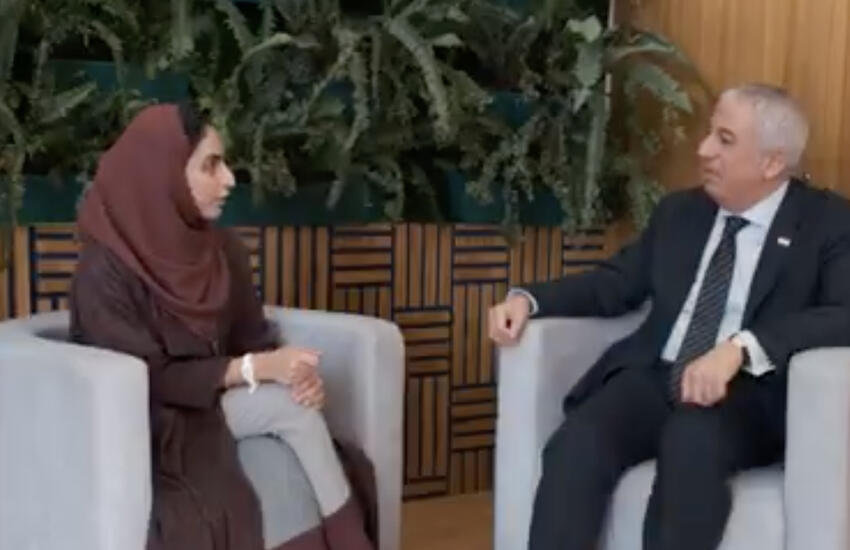
As part of the IPU series called 'A conversation with...', we interview parliamentarians from all over the world to find out who they represent and what motivates them. In this edition, we discover Ibrahim Mohammed, the youngest federal parliamentarian from