The IPU facilitates parliamentary diplomacy and empowers parliaments and parliamentarians to promote peace, democracy and sustainable development around the world.
We help parliaments build peaceful and inclusive societies, fight terrorism and violent extremism and curb the proliferation of weapons of mass destruction.
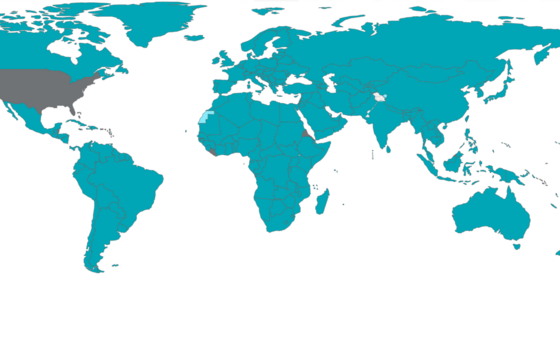
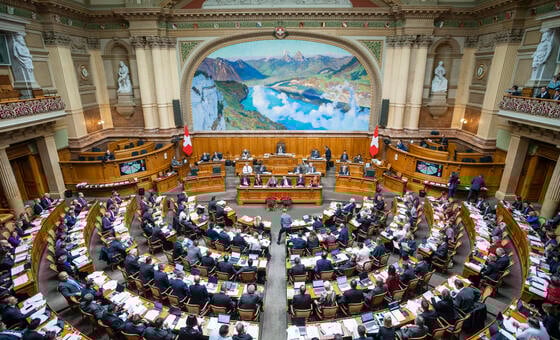
Nearly every country in the world has some form of parliament. Parliamentary systems fall into two categories: bicameral and unicameral. Out of 188 national parliaments in the world, 81 are bicameral (162 chambers) and 107 are unicameral, making a total of 269 chambers of parliament with some 44,000 members of parliament. IPU membership is made up of 183 national parliaments
Throughout the year, the IPU and its Members organize many events for parliamentarians to exchange good practices, acquire the latest information and identify avenues for action.
The IPU has been collecting data on parliaments since its inception in 1889, including information on women’s participation in politics since 1945. In this section, discover the IPU's knowledge bank for and about parliaments.
The need for urgent action in the former Yugoslavia, particularly as regards the protection of minorities and the prevention of further loss of life in order that peaceful co-existence and respect for human rights can be restored for all peoples
Contribution of Parliaments to enhancing the role of the United Nations, and the strengthening of Parliaments' involvement in foreign policy through the development of parliamentary diplomacy and closer collaboration between the executive and the...
The international mass migration of people: its demographic, religious, ethnic and economic causes; its effects on source and receiving countries, its implications internationally; and the rights of migrants and refugees
Support to the recent international initiatives to halt the violence and put and end to the violations of human rights in Bosnia and Herzegovina (Emergency supplementary item)
Environment and Development: The views of parliamentarians on the main directions of the United Nations Conference on Environment and Development and its prospects
The organization and functioning of democracy and the expression of ethnic diversity as a means of ensuring the stability of all States, economic development and better use of the peace dividend for the benefit of the Third World
The pandemic nature of acquired immune deficiency syndrome (AIDS): Its threat to world economic growth and political and social stability, especially in the Third World; the promotion of policies to transform scientific knowledge into public policy and...
The role of Parliaments in supporting efforts to achieve a greater liberalization of international trade, in particular through a successful conclusion of the Uruguay Round (Supplementary item)
Human development: economic growth and democracy. The role of Parliaments in ensuring the necessary links between freedoms, citizen involvement, economic growth, and social investments
Development of measures to prevent and intervene against genocide through international co-operation within the framework of competent international bodies such as the United Nations