The IPU facilitates parliamentary diplomacy and empowers parliaments and parliamentarians to promote peace, democracy and sustainable development around the world.
We help parliaments build peaceful and inclusive societies, fight terrorism and violent extremism and curb the proliferation of weapons of mass destruction.
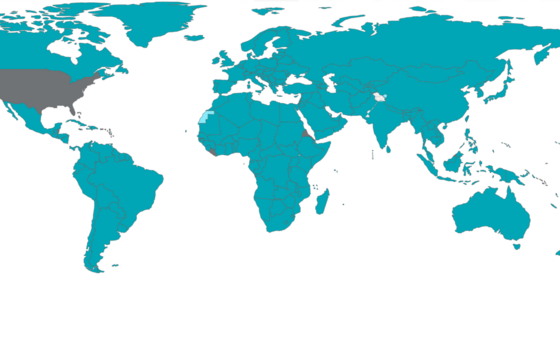
Nearly every country in the world has some form of parliament. Parliamentary systems fall into two categories: bicameral and unicameral. Out of 188 national parliaments in the world, 81 are bicameral (162 chambers) and 107 are unicameral, making a total of 269 chambers of parliament with some 44,000 members of parliament. IPU membership is made up of 183 national parliaments
Throughout the year, the IPU and its Members organize many events for parliamentarians to exchange good practices, acquire the latest information and identify avenues for action.
The IPU has been collecting data on parliaments since its inception in 1889, including information on women’s participation in politics since 1945. In this section, discover the IPU's knowledge bank for and about parliaments.
The prevention of military and other coups against democratically elected governments and against the free will of the peoples expressed through direct suffrage, and action to address grave violations of the human rights of parliamentarians
Are embargoes and economic sanctions still ethically acceptable, do they still work, and are they suited to achieving their purpose in an ever more globalised world? (Supplementary item)
Support of parliaments for the rights of refugees and persons displaced by war and occupation, and assistance with a view to their repatriation, and for international cooperation to develop and implement strategies to combat the criminal activity of...
Contribution of parliaments to ensuring respect for and promoting international humanitarian law on the occasion of the 50th anniversary of the Geneva Conventions
The contribution of parliaments to the peaceful coexistence of ethnic, cultural and religious minorities, including migrant populations, within one State, marked by tolerance and the full respect for their human rights (Supplementary item)
Parliamentary action to encourage all countries to sign and ratify the Comprehensive Test Ban Treaty prohibiting all nuclear testing, to encourage universal and non-discriminatory nuclear non-proliferation measures and to work towards the eventual...
Strong action by national Parliaments in the year of the 50th anniversary of the Universal Declaration of Human Rights to ensure the promotion and protection of all human rights in the 21st century
The prevention of conflicts and the restoration of peace and trust in countries emerging from war; the return of refugees to their countries of origin, the strengthening of democratic processes and the hastening of reconstruction