Impact
The IPU facilitates parliamentary diplomacy and empowers parliaments and parliamentarians to promote peace, democracy and sustainable development around the world.

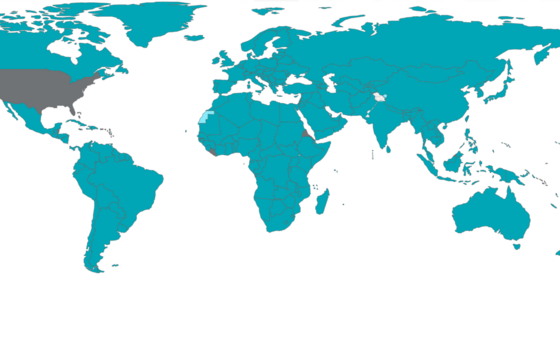

The IPU and the American Bar Association Center for Human Rights will co-organize an online side event on the margins of the Twelfth Conference of States Parties (CSP12) to the Arms Trade Treaty (ATT).
Article 7 of the ATT requires States to assess the risk that an arms transfer could undermine peace and security or be used to commit serious violations of international humanitarian or human rights law, and to refuse the transfer where that risk remains overriding.
Yet responsible arms transfers depend on a chain of decisions that no single actor controls alone: governments authorise, parliaments legislate and hold governments to account, industry carries its own due diligence responsibility, and civil society supplies evidence and scrutiny. This webinar brings parliamentarians together with industry and civil society representatives to examine how these roles connect, and how a voluntary human rights due diligence framework now under discussion within the ATT can be made meaningful in practice.