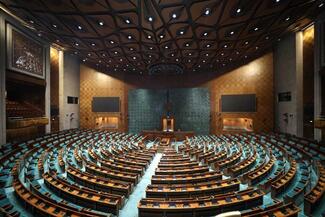
The lower chamber of India’s Parliament, the Lok Sabha, recently took a landmark step towards linguistic inclusion by offering simultaneous interpretation in all 22 languages listed in the country’s Constitution, allowing MPs to speak in their mother tongues as of the winter 2025 session.
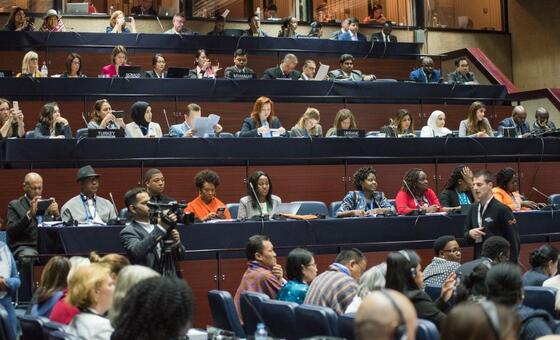
The change required an expansion of interpreter teams and an upgrade of audio systems to handle multiple language channels. MPs listen to proceedings through headsets, switching between languages as needed, while speaking in their own. The result is a chamber in which voices sound different, but everyone can still follow the argument.
The move is being hailed as a significant step to make national politics more reflective of India’s vast cultural and linguistic diversity as well as connecting constituents across the country to Parliament’s deliberations.
The reform follows a decision announced by Speaker Om Birla in August 2025, extending interpretation beyond Hindi, English and a limited number of regional languages, to the full constitutional set.
The Speaker describes the initiative as a way to ensure that parliamentary debates mirror India’s social reality, in which identity, culture and language are closely intertwined. Each language carries a distinct history and literary tradition; giving it space in Parliament is seen as a recognition of that heritage on a national stage.
Reactions from MPs have been positive, with members across party lines calling the move a milestone for inclusion. Many argue that being able to express complex policy positions in their first language leads to more precise and authentic interventions, especially for representatives from rural or historically marginalized regions.
The move has also attracted attention beyond the House. Prime Minister Narendra Modi publicly praised the initiative, describing it as a celebration of India’s multilingual character and commending MPs and the Speaker for showcasing this diversity in the country’s most visible democratic arena.
This development comes at a time when there is a growing recognition in India of the importance of mother tongues and regional languages in education, media and administration.
By embracing multilingualism, India provides a good case study for other parliaments on how diversity can be harnessed as a strength rather than a challenge.
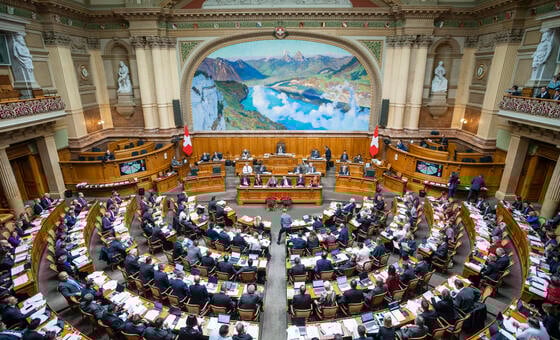
The Indian Parliament joins other parliaments around the world that are also multilingual, including Belgium, Cameroon, Canada, the European Parliament, South Africa, Switzerland and New Zealand.