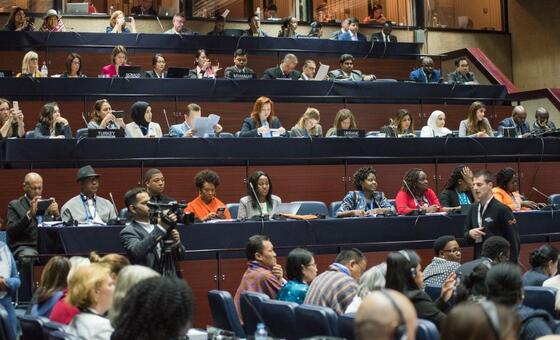
The IPU facilitates parliamentary diplomacy and empowers parliaments and parliamentarians to promote peace, democracy and sustainable development around the world.
We help parliaments build peaceful and inclusive societies, fight terrorism and violent extremism and curb the proliferation of weapons of mass destruction.
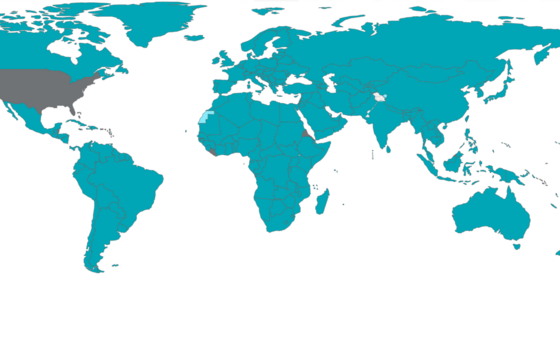
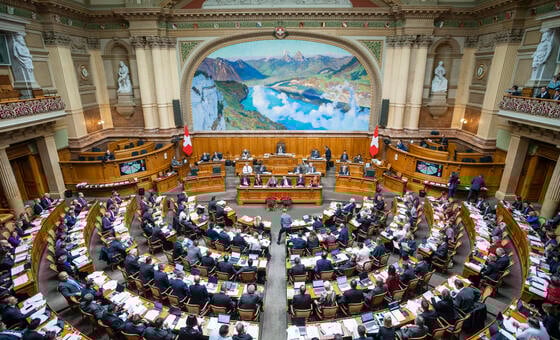
Nearly every country in the world has some form of parliament. Parliamentary systems fall into two categories: bicameral and unicameral. Out of 188 national parliaments in the world, 81 are bicameral (162 chambers) and 107 are unicameral, making a total of 269 chambers of parliament with some 44,000 members of parliament. IPU membership is made up of 183 national parliaments
Throughout the year, the IPU and its Members organize many events for parliamentarians to exchange good practices, acquire the latest information and identify avenues for action.
The IPU has been collecting data on parliaments since its inception in 1889, including information on women’s participation in politics since 1945. In this section, discover the IPU's knowledge bank for and about parliaments.
The IPU strongly condemns the coup in Mali that took place on 18 August. Any change of government through the military goes against the core principles of democracy. The IPU calls for respect for the rule of law and for
COVID-19 and democracy: Can parliaments come to the rescue?
Sep152020
An informal virtual interactive panel debate for International Day of Democracy, in partnership with the Julie Ann Wrigley Global Futures Laboratory at Arizona State University, from 17:00-18:30 CET. Open to all IPU Members, MPs, UN partners, students and the general
As part of their research to produce a handbook to address the issue of legislation that discriminates against women, the IPU and UN Women recently held virtual consultations with parliamentarians from around the world. Laws that discriminate against women affect