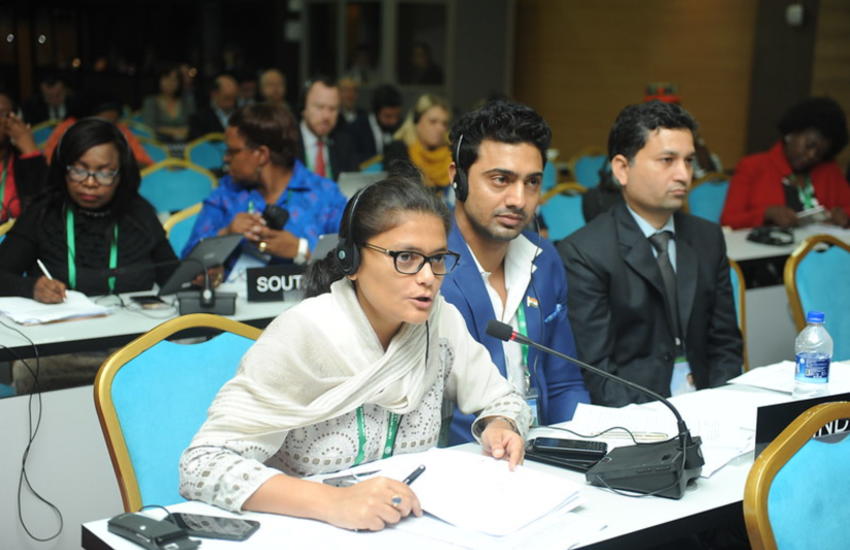
The IPU facilitates parliamentary diplomacy and empowers parliaments and parliamentarians to promote peace, democracy and sustainable development around the world.
We help parliaments build peaceful and inclusive societies, fight terrorism and violent extremism and curb the proliferation of weapons of mass destruction.
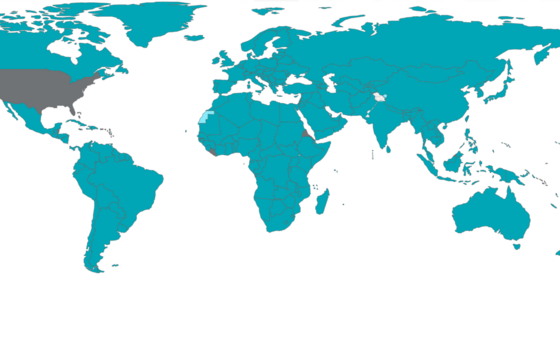
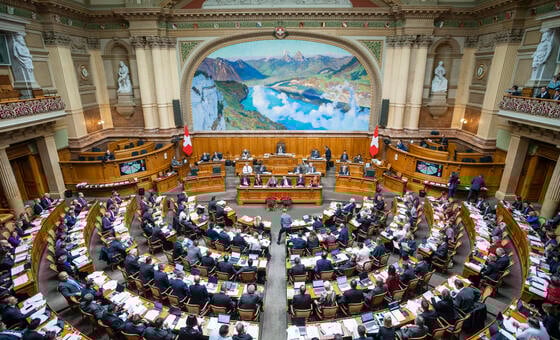
Nearly every country in the world has some form of parliament. Parliamentary systems fall into two categories: bicameral and unicameral. Out of 188 national parliaments in the world, 81 are bicameral (162 chambers) and 107 are unicameral, making a total of 269 chambers of parliament with some 44,000 members of parliament. IPU membership is made up of 183 national parliaments
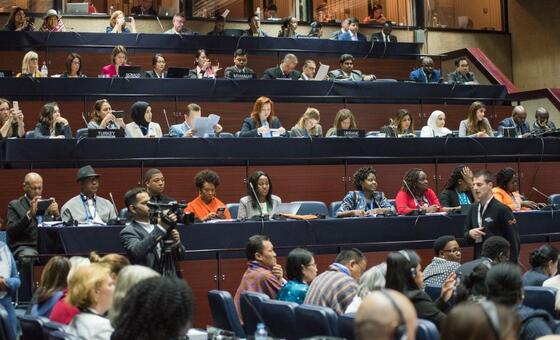
Throughout the year, the IPU and its Members organize many events for parliamentarians to exchange good practices, acquire the latest information and identify avenues for action.
The IPU has been collecting data on parliaments since its inception in 1889, including information on women’s participation in politics since 1945. In this section, discover the IPU's knowledge bank for and about parliaments.
On 12 August, International Youth Day 2020, the IPU celebrates the 10th anniversary of its resolution, Youth participation in the democratic process. Adopted by IPU Member Parliaments in 2010 in Thailand, the resolution is a call to action to include
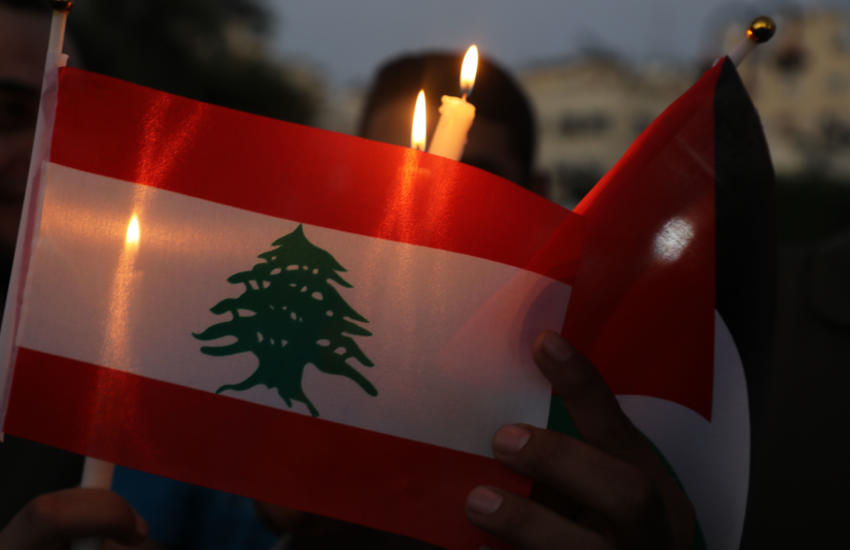
The IPU and the parliamentary community express their shock and sadness at the devastation and loss of life caused by the blasts in Beirut, Lebanon on Tuesday 4 August. We convey our deepest condolences to those who have lost loved
Background The IPU is the global organization of national parliaments. It was founded more than 130 years ago as the first multilateral political organization in the world, encouraging cooperation and dialogue between all nations. Today, the IPU comprises 179 national