Impact
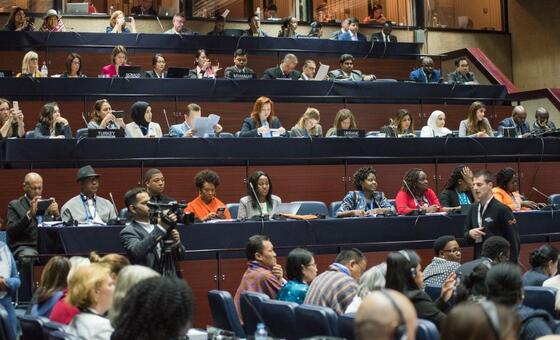
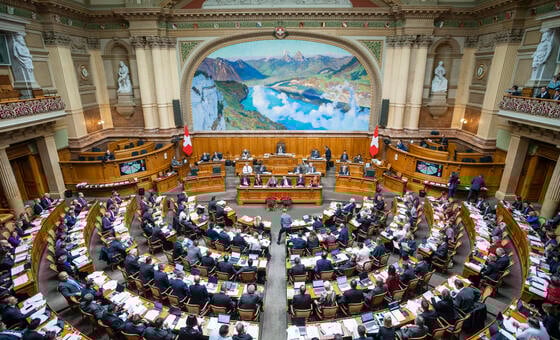
The IPU facilitates parliamentary diplomacy and empowers parliaments and parliamentarians to promote peace, democracy and sustainable development around the world.

Despite sustained international efforts, no universally agreed definition of terrorism has yet emerged. This absence has contributed to divergent legal approaches, with implications for legislative coherence, international cooperation and the protection of fundamental rights. At the same time, the evolving nature of terrorism requires continued attention and careful legislative consideration.
This publication reflects the IPU’s commitment to supporting its Member Parliaments in navigating these complexities. Drawing on international practice, legal analysis and comparative perspectives, it offers a structured contribution to ongoing parliamentary engagement on this important issue.
The definition presented in this document is intended as a guiding proposal to support parliamentary reflection and comparative analysis. It does not seek to establish a binding institutional position, nor does it require formal approval or consensus among all Member Parliaments. Rather, it provides a structured legal framework to assist parliaments in fulfilling their legislative, oversight and budgetary responsibilities in addressing terrorism, ensuring that counter-terrorism measures are effective, accountable and consistent with international law.