Impact
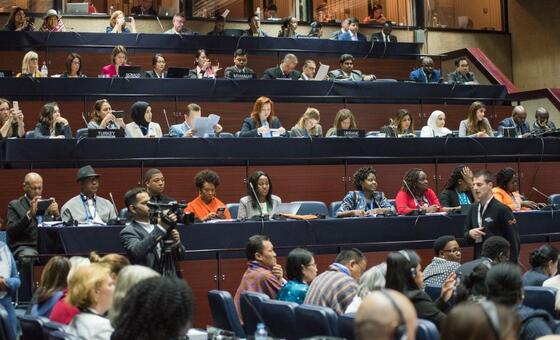
The IPU facilitates parliamentary diplomacy and empowers parliaments and parliamentarians to promote peace, democracy and sustainable development around the world.

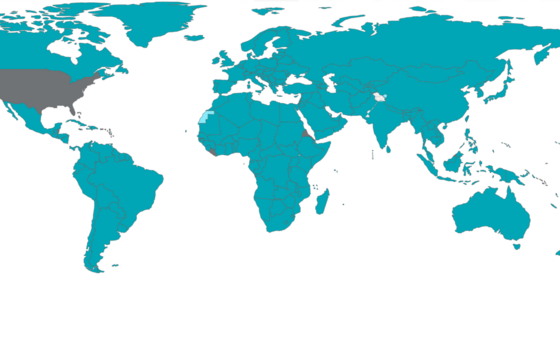
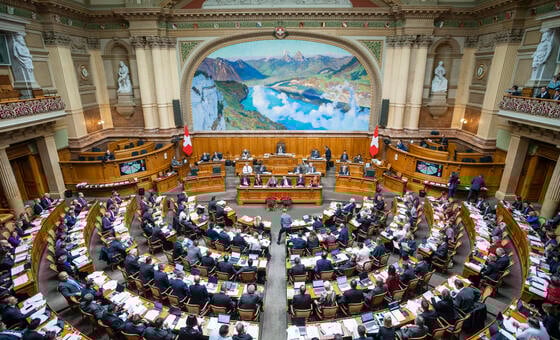
The first phase of the IPU’s global study on intimidation of parliamentarians by the public revealed that public hostility toward parliamentarians is a pervasive, escalating, and increasingly digital phenomenon. It produced new data, case studies, and a global survey that, for the first time, mapped the scale and forms of intimidation against MPs by members of the public.
Phase 1 highlighted several critical knowledge gaps. First, although many countries and researchers have documented harassment of politicians, there is still no global and systematic monitoring of intimidation of MPs, particularly in real time. Second, anecdotal evidence shows that intimidation affects how MPs work — leading some to self-censor, disengage from the public, or leave politics altogether — the long-term consequences for parliamentary behavior and democratic trust remain underexplored. Third, responses to date have focused little on prevention — tackling the drivers of hostility and fostering constructive engagement between citizens and representatives. Finally, while the gender dimension of political violence is well documented, including through IPU studies on sexism, harassment, and violence against women in parliament, its integration into monitoring tools and institutional responses requires further thinking, bearing in mind that women and other vulnerable groups are often disproportionately targeted.
The second phase of the project will therefore focus on filling these gaps. It will deepen understanding of how online and offline intimidation by the public shapes MPs’ behavior and the functioning of parliaments; explore the political, social, and technological root causes of intimidation; and identify effective institutional mechanisms and good practices for protection and prevention. A key component will be a feasibility study for a Global Tracker on Intimidation of Parliamentarians. The aim is to explore options for a global monitoring mechanism, building on existing initiatives, ensuring integration of a human rights and gender perspectives, and keeping open the question of scope and design. The feasibility study will also examine whether and how to incorporate incidents of state-sponsored violence, whose examination falls under the mandate of the IPU Committee on the Human Rights of Parliamentarians (CHRP), and to ensure complementarity with IPU studies on sexism, harassment, and violence against women in parliament.
Tasks
The consultant(s) will undertake the following tasks under the supervision of the IPU’s Human Rights Programme Manager:
The work will involve close cooperation with a range of stakeholders, including:
Deliverables
A detailed 2026 workplan for the continuation of the project.
Feasibility study for a global tracker that maps existing initiatives, identifies gaps, and proposes models for sustainable monitoring (with options open as to final form and scope).
Comparative policy report analyzing the impact of intimidation on MPs’ behavior and public trust.
Compendium of preventive approaches informed by behavioral science and good practice.
National case studies in underrepresented regions, ensuring gender-sensitive analysis.
Toolkit for parliaments with concrete measures for protection, reporting, and public engagement, building on existing resources but filling identified gaps.
Reports and outputs from advisory board meetings and targeted stakeholder sessions.
Duration
The consultant shall be expected to complete up to a maximum of 210 days of work (based on a 7.5 hour day). The consultancy is for the period of 1 November 2025 to 31 December 2026. Subject to satisfactory performance and the availability of funds, the consultancy may be extended further.
Location
The consultant will work remotely, although the possibility of carrying out the consultancy at the IPU could also be looked into. Some travel is likely to be required, for example when researching national case studies or to participate in IPU Assemblies.
Requirements
Candidates should provide the following:
For further details, please contact Rogier Huizenga at the IPU Secretariat ([email protected]).
The deadline for applications is 10 October 2025. Applications should be sent by e-mail to [email protected] with “Consultant– Intimidation of MPs” in the subject line.
Applicants will be contacted only if they are under serious consideration. Applications received after the deadline will not be accepted.
Employment conditions
The consultant is an independent contractor, is not considered to be an official or employee of the IPU and is not subject to the IPU Staff Regulations and Staff Rules. The External Collaborator is not entitled to recover from the IPU any income tax payable in respect of the fee provided under this contract and shall be solely liable for the payment of any national income tax due in respect of the emoluments payable under this contract. The External Collaborator will not be included in the IPU pension scheme.
Recruitment principles
Our guiding principle in selecting candidates is to secure the highest standards of efficiency, competence and integrity. We do not discriminate on any grounds and are committed to promoting diversity in our workforce.
Particular attention is paid to candidates from developing countries and to achieving gender balance. We strive to provide an environment where the contribution of each individual is valued.
All our personnel are expected to possess the following qualities:
We ask all our staff to agree to our Code of Conduct for personnel and our Fraud and Corruption Prevention and Control Policy.
The work of the IPU is based on the Common Principles for Support to Parliaments that describes a series of fundamental principles for the planning and implementation of programmes aimed to strengthen the capacity of parliaments. The Consultant will be expected to factor the Common principles into his/her tasks.