Use case ID: 052
Author: Council of Representatives of Bahrain
Date: 6 October 2024
Objective:
Automatically track and analyse MP attendance within the parliamentary chamber using high-spec cameras and artificial intelligence (AI), visualize their seating on a seating map, and calculate quorum in real-time. This system enhances transparency, efficiency and legislative processes by ensuring quorum is met for parliamentary sessions.
Actors:
- Parliamentary staff members
- MPs
- Chamber security and protocol staff
- AI development and support team
Prerequisites:
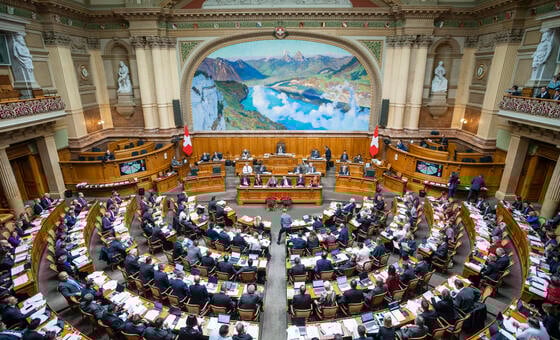
- Installation of high-spec cameras in the parliamentary chamber, positioned to cover the entire seating area
- Access to real-time video feeds from the cameras
- AI models pre-trained for facial recognition, attendance tracking and quorum calculation
- Integration with the parliament’s seating chart and attendance records
- Pre-defined quorum requirements based on parliamentary rules
Scenario:
- High-spec cameras are installed in the parliamentary chamber to capture real-time video of MPs during sessions.
- During a parliamentary session, the AI system analyses the video feeds in real time, identifying MPs using facial recognition and tracking their attendance.
- The system cross-references the identified MPs with the parliament’s seating chart to map their exact seating positions within the chamber.
- As MPs are identified and attendance is tracked, the system continuously updates a live quorum count, ensuring that the required number of MPs for the session are present.
- The AI system generates an interactive seating map displaying which MPs are present, absent or late based on real-time analysis, along with the current quorum status.
- If quorum is met, the system visually indicates that proceedings can continue. If quorum is not met, the system alerts staff and provides real-time updates as more MPs arrive.
- After the session, parliamentary staff members review the attendance data and quorum logs for accuracy and make any necessary adjustments.
- The attendance data, seating visualization and quorum calculations are stored for future reference, allowing MPs, staff and authorized users to view attendance history and quorum trends.
- The system can generate reports on MP attendance and quorum adherence over time, highlighting patterns and discrepancies.
Alternate flows:
- If a camera feed is interrupted or a seat is not clearly visible, the system flags the issue and prompts staff to manually verify attendance for the affected MP(s).
- MPs who are not recognized by the AI system due to facial obstructions or other factors are manually logged by staff for attendance and quorum calculations.
- In case of any seating changes or rearrangements, the seating chart is updated, and the system adjusts its analysis and quorum calculations accordingly.
Expected results:
- Enhanced accuracy and efficiency in tracking MP attendance and calculating quorum in real time using AI-powered analysis
- Improved transparency in parliamentary operations with visual representation of seating, attendance and quorum status
- Reduced manual workload for parliamentary staff responsible for attendance tracking, quorum monitoring and report generation
- Faster and more reliable quorum calculations, ensuring parliamentary sessions proceed only when quorum is met
Potential challenges:
- Ensuring accurate identification of MPs using facial recognition, particularly in cases of poor lighting or obstructions
- Maintaining privacy and security while processing real-time video feeds for attendance tracking and quorum calculation
- Handling seating changes, special sessions, or unexpected technical issues with camera feeds
- Adjusting quorum calculations in real time if MPs temporarily leave and return to the chamber during sessions
Data requirements:
- Real-time video feeds from high-spec cameras covering the entire parliamentary chamber
- Pre-trained AI models for facial recognition, attendance tracking and quorum calculation
- Up-to-date seating charts of MPs
- Quorum rules and attendance thresholds for parliamentary sessions
- Attendance records for reference and report generation
Integrations with other systems:
- Parliamentary seating and attendance management systems
- Quorum management systems, if available
- User authentication and access control systems
- Video feed management systems for processing and storing the video data
Success metrics:
- Accuracy rate of MP attendance identification and quorum calculations
- Reduction in time spent manually tracking, reporting attendance and calculating quorum
- Increased transparency and operational efficiency through real-time quorum monitoring
- User satisfaction scores from parliamentary staff and MPs
The Use cases for AI in parliaments collection is published by the IPU’s Centre for Innovation in Parliament as part of the Parliamentary Data Science Hub’s project to create guidelines for AI governance in parliaments. This work is licensed under a Creative Commons Attribution-NonCommercial-ShareAlike 4.0 International licence. It may be freely shared and reused with acknowledgement of the author and the IPU. A use case describes how a system should work. It is used to plan, develop and measure implementation. A use case is not the same as a case study, which is a descriptive text of an actual project’s implementation. Please note that this use case is provided “as is” and neither the IPU nor the author accepts any responsibility for its use. For more information about the IPU’s work on artificial intelligence, please visit www.ipu.org/AI or contact innovation ipu [dot] org (innovation[at]ipu[dot]org). ipu [dot] org (innovation[at]ipu[dot]org). |