Impact
The IPU facilitates parliamentary diplomacy and empowers parliaments and parliamentarians to promote peace, democracy and sustainable development around the world.
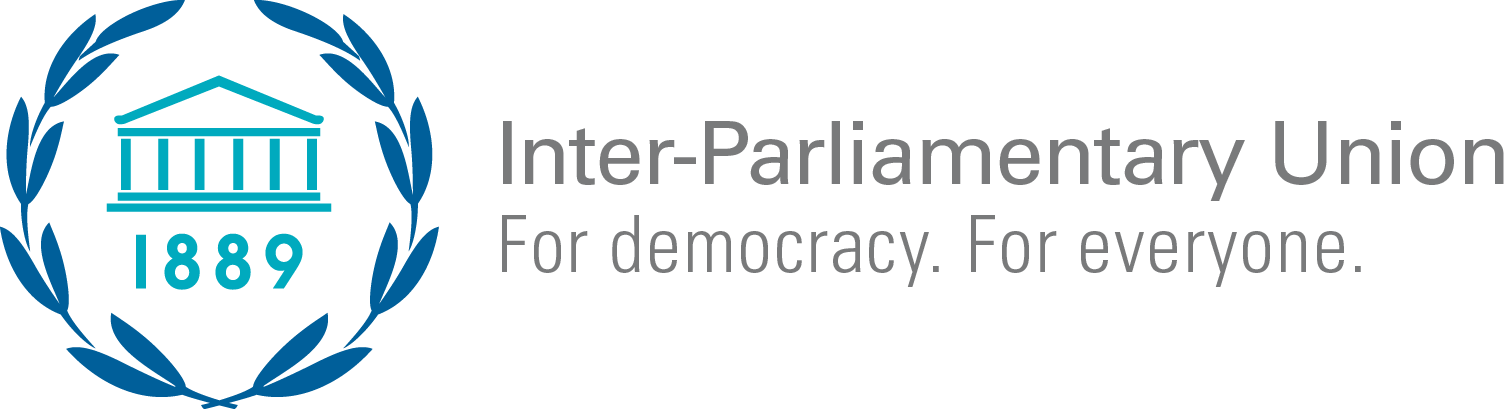
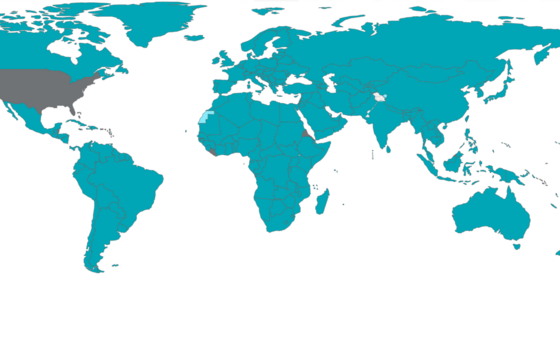
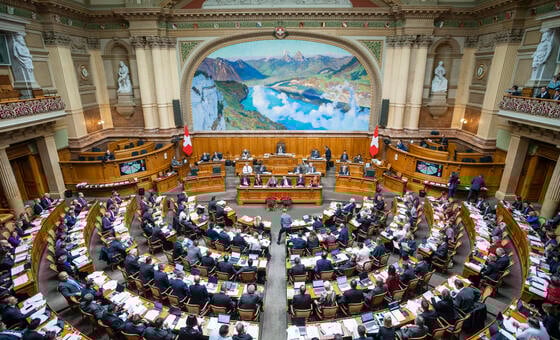
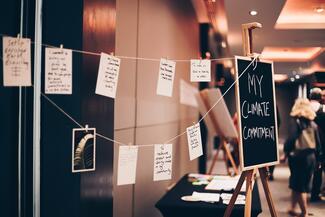
National Dialogue on Climate Action, Athlone, Ireland. Image credit: Alex Calder
By Mr. Dennis Naughten, former member of the House of Representatives of Ireland (1997–2024), and former Chairperson of the IPU Working Group on Science and Technology (2022–2024)
As MPs, our job is not just to represent: it is to truly understand the people we represent. That is no easy feat in today’s landscape, where public trust is strained and traditional engagement methods feel increasingly out of step.
But there is a better way forward.
By applying citizen science tools through the lens of human security, MPs can foster deeper, more productive relationships with constituents – ones built on listening, dialogue and trust.
Moving beyond the town hall model
On many occasions, I have participated in town hall-type public meetings where there are just two very vocal perspectives: those who are already convinced and those who are already opposed. The old models of public engagement – town halls, press releases, reactive question-and-answer sessions, and even social media – simply do not work in an increasingly polarized society. These approaches do not give space to those in the middle, to those unsure where they stand, or to those who simply want to share lived experiences without confrontation.
This is why a shift is needed: towards interactive, two-way deliberation that respects the complexity and dignity of every citizen's perspective. As parliamentarians, if we really want to be effective, we must adopt tools that enable these conversations – not just convey decisions.
Tools that build bridges
Citizen science platforms offer a new set of instruments that allow a much broader range of voices to present their perspectives on a topic and work together towards an agreed and practical solution. For instance, Bohm Dialogue fosters open-ended conversations to help groups explore diverse perspectives and find consensus, such as resolving community land-use conflicts. The fishbowl method, meanwhile, involves a small group discussing issues while others observe. Participants join the discussion by replacing someone in the inner circle, allowing for the dynamic sharing of experiences.
Doing this well produces:
These are not just nice-to-haves. They make our work more informed, inclusive and resilient.
The human security lens
Human security is not about vague ideals. It is a practical framework that prioritizes:
For MPs, applying this lens means designing engagement that is not only safer but also smarter. It recognizes that the issues we tackle (such as healthcare, climate and social inequality) are deeply personal, and that our policies must reflect that.
What it means for us in parliament
By embracing this approach, we can:
And when we succeed in this, something powerful happens: parliament becomes not just a debating chamber, but also a listening chamber.
Final thoughts
Democracy thrives when we engage not only with the loudest voices, but also with the quiet insights that often carry the greatest wisdom. As MPs, let us lead by listening. Let us adopt the tools and frameworks that help us hear our people, not just speak to them.
For further reading on citizen science and human security, see this comprehensive article on the topic by Mr. Naughten.