The IPU facilitates parliamentary diplomacy and empowers parliaments and parliamentarians to promote peace, democracy and sustainable development around the world.
We help parliaments build peaceful and inclusive societies, fight terrorism and violent extremism and curb the proliferation of weapons of mass destruction.
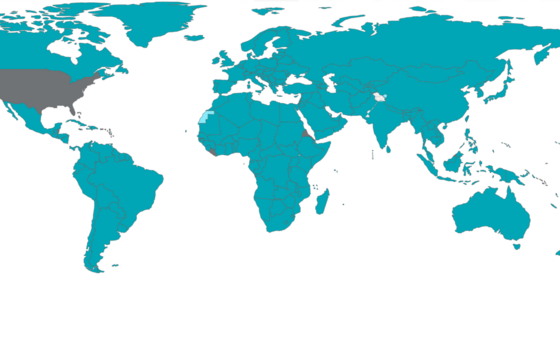
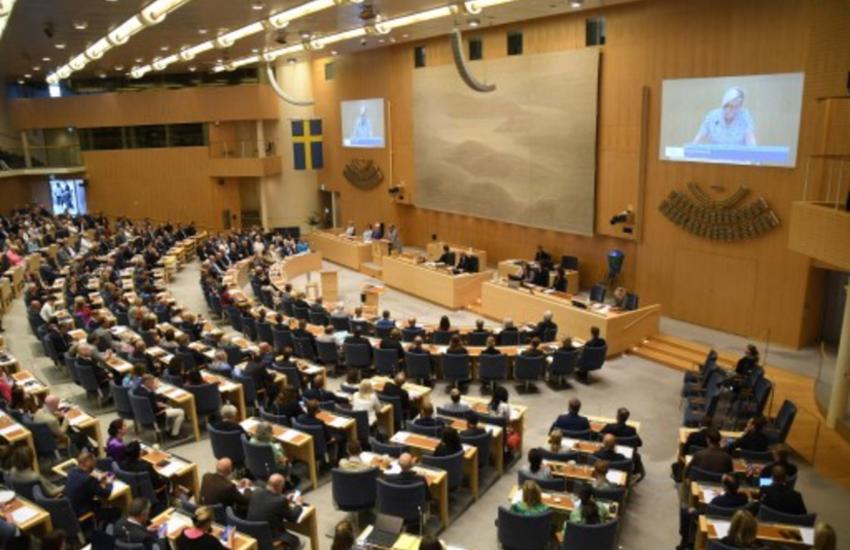
Nearly every country in the world has some form of parliament. Parliamentary systems fall into two categories: bicameral and unicameral. Out of 188 national parliaments in the world, 81 are bicameral (162 chambers) and 107 are unicameral, making a total of 269 chambers of parliament with some 44,000 members of parliament. IPU membership is made up of 183 national parliaments
Throughout the year, the IPU and its Members organize many events for parliamentarians to exchange good practices, acquire the latest information and identify avenues for action.
The IPU has been collecting data on parliaments since its inception in 1889, including information on women’s participation in politics since 1945. In this section, discover the IPU's knowledge bank for and about parliaments.
Within the framework of the 12th Ministerial Conference of the World Trade Organization (WTO), the Steering Committee of the Parliamentary Conference on the WTO adopted the statement below inviting the members of the WTO to make every effort to achieve
Strengthening democracy for more effective multilateralism
Jun232022
The war in Ukraine has global implications, including for the future of multilateralism. It is bringing into focus some of the longer-term trends around a renewed wave of authoritarianism and populism in national politics.
The IPU and partners have published a radically new approach to measuring parliamentary progress with the launch of a preliminary version of indicators that will allow parliaments to give themselves a health check. The Indicators for Democratic Parliaments is an
All 151 seats in the House of Representatives and 40 of the 76 Senate seats were up for reelection in the recent Australian parliament elections. The Labor Party, led by Anthony Albanese, beat the incumbent Liberal/National coalition government. According to
In a typical year, the Parliament of the United Kingdom (both the House of Commons and the House of Lords) spends just over £10 million on education and outreach. In its strategy, the institution describes this approach as “targeted engagement”
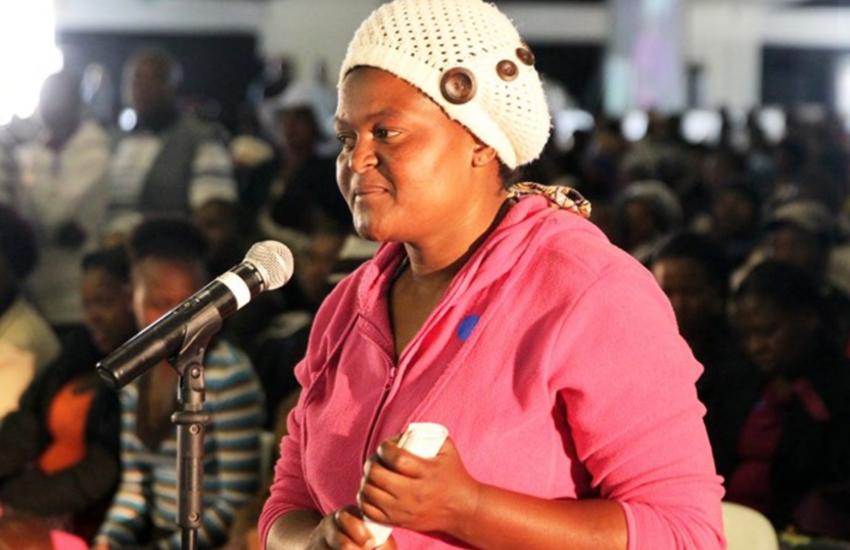
The work of the Parliament of South Africa highlights good practices in institutionalizing and embedding public engagement, based on specific requirements in the country’s Constitution. Parliament has made efforts to ensure that its engagement practices: align practical actions with cultural
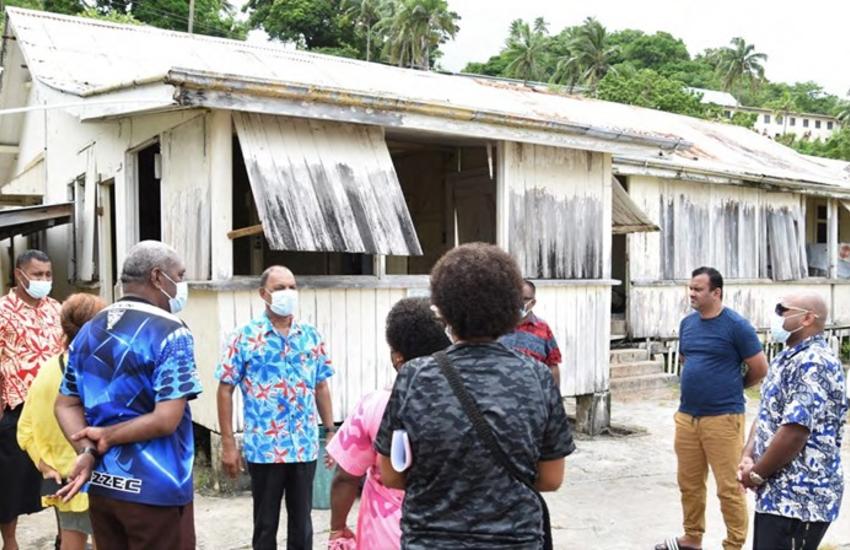
After eight years of interruption involving several military coups, the Parliament of Fiji was re-established under a new Constitution in 2014. Following substantial voter turnout, the new parliament recognized from the outset the importance of engaging with the community to
The Parliament of Brazil consistently ranks at the very top in terms of digital maturity. The Chamber of Deputies is noted for its world-leading HackerLab, its innovative use of artificial intelligence (AI), and its rapid and agile deployment of the
Watch 133 years of IPU's history in (just over) 133 seconds. How did the IPU grow from a handful of parliamentarians from 9 countries who met for the first time on 30 June 1889 to become the global organization of