Impact
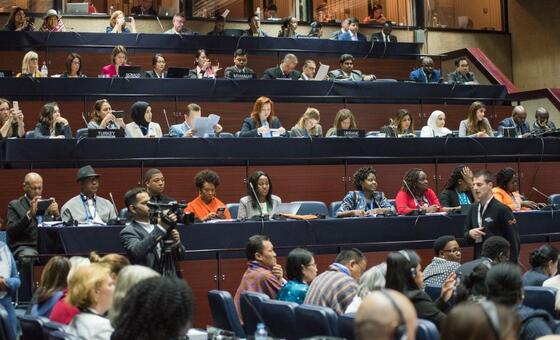
The IPU facilitates parliamentary diplomacy and empowers parliaments and parliamentarians to promote peace, democracy and sustainable development around the world.
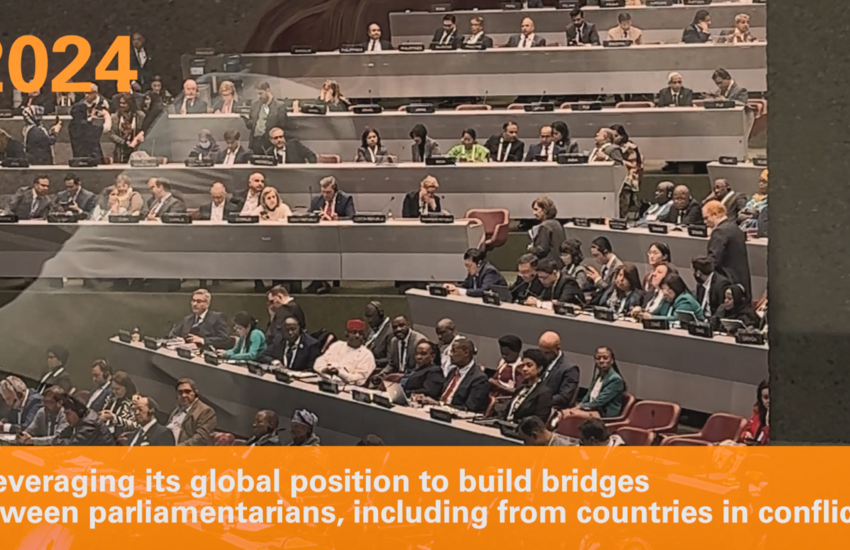
“More women in parliament means more inclusive and representative institutions, which means stronger and healthier democracies. We need to encourage the young women and girls out there that, although it’s a tough job, they deserve to have a seat at the table, to become decision-makers and to help improve people’s lives through their work.” Dr Tulia Ackson, President of the IPU and Speaker of the Parliament of Tanzania
Some women MPs have been fighting back, often encouraged by the #MeToo movement and shrinking tolerance for sexual violence. By speaking out in this way, they have drawn a line in the sand and set an example for others.
In France, for example, an investigation was opened against a male parliamentarian for allegedly spiking the drink of a fellow MP in an apparent attempt to sexually assault her. In the United Kingdom, a female MP complained about a colleague to the police when he sexually harassed her after a party in 2021. A female Australian MP revealed that, when she had once tried to raise the issue of harassment, she had been told that she was unable to take a joke. And in 2023, two women senators in Australia accused a male colleague of sexual harassment and assault.
Many parliaments have begun to take this issue more seriously – and, in doing so, have moved to make parliaments safer and more welcoming for women. In 2023, the parliaments of Australia, Benin, Iceland and Ireland all took steps to counter violence against women in politics, including through enquiries and the introduction of codes of conduct.
With encouragement from the IPU, for example, the Althingi of Iceland adopted a strategy and action plan, including regular training, to counter bullying and sexual and gender-based harassment. In Benin, meanwhile, the National Assembly has worked with the IPU to raise awareness of violence against women in parliament, introducing a mechanism for handling complaints.
The IPU has worked with parliamentarians to identify other solutions such as increasing resilience among women MPs through peer-to-peer support, building more solidarity between female MPs across party lines and borders, increasing women’s representation in parliament, and adopting of codes of conduct.
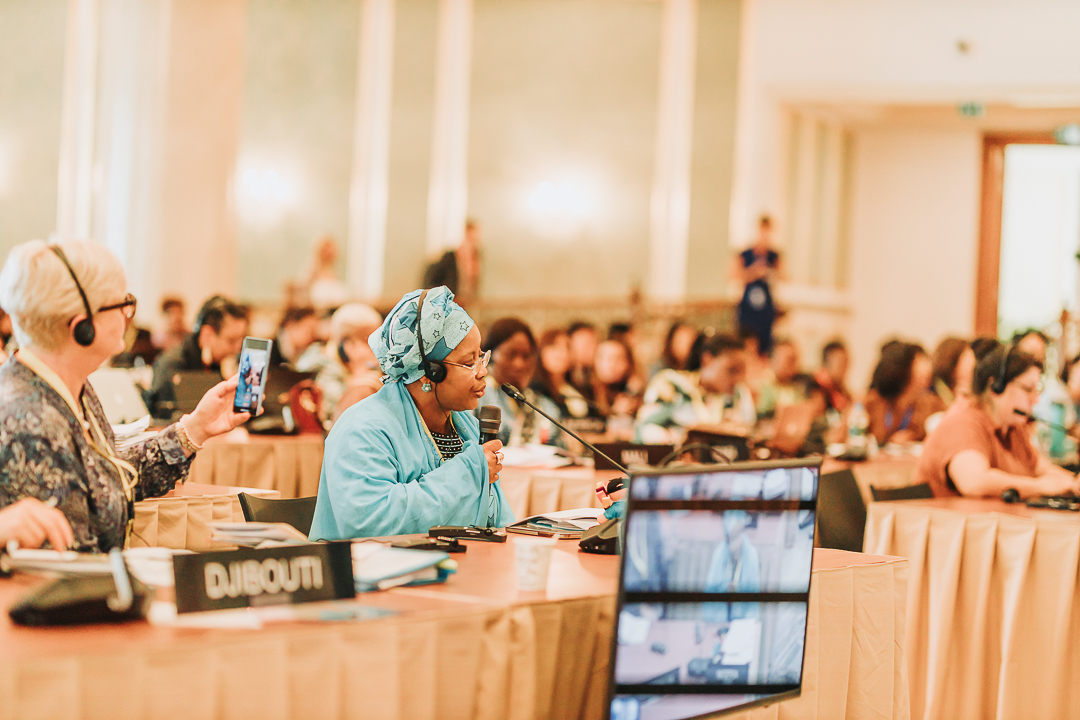
In 2023, the IPU organized a panel discussion entitled “Women in politics: To stay or not to stay?”. The event brought together MPs from across the globe to discuss the challenges faced by women in pursuing a political career. © Parliament of Angola
The IPU report points to other ways to increase women’s representation in parliament. One key theme is electoral quotas, with analysis showing that, where quotas were applied in 2023, women accounted for 28.8% of those elected or appointed. By comparison, chambers without quotas elected or appointed 23.2% women on average – a difference of more than 5 percentage points.
Quotas were applied, for instance, in the upper chamber of Eswatini, and in the parliaments of Benin and Sierra Leone. These three chambers recorded the year’s biggest increases in terms of women’s representation, at 20, 18.5 and 15.9 percentage points respectively. However, for quotas to be effective, they must be clear and well-designed, and supported by strong enforcement mechanisms.
The 2023 report also highlights the importance of electoral systems. IPU analysis shows that, in proportional representation (PR) systems, women accounted for 28.7% those elected in 2023. This was significantly higher than in majoritarian systems, where women accounted for just 11.6% of those elected. Part of the reason for this difference is that PR and mixed systems are more likely to have quotas in place.
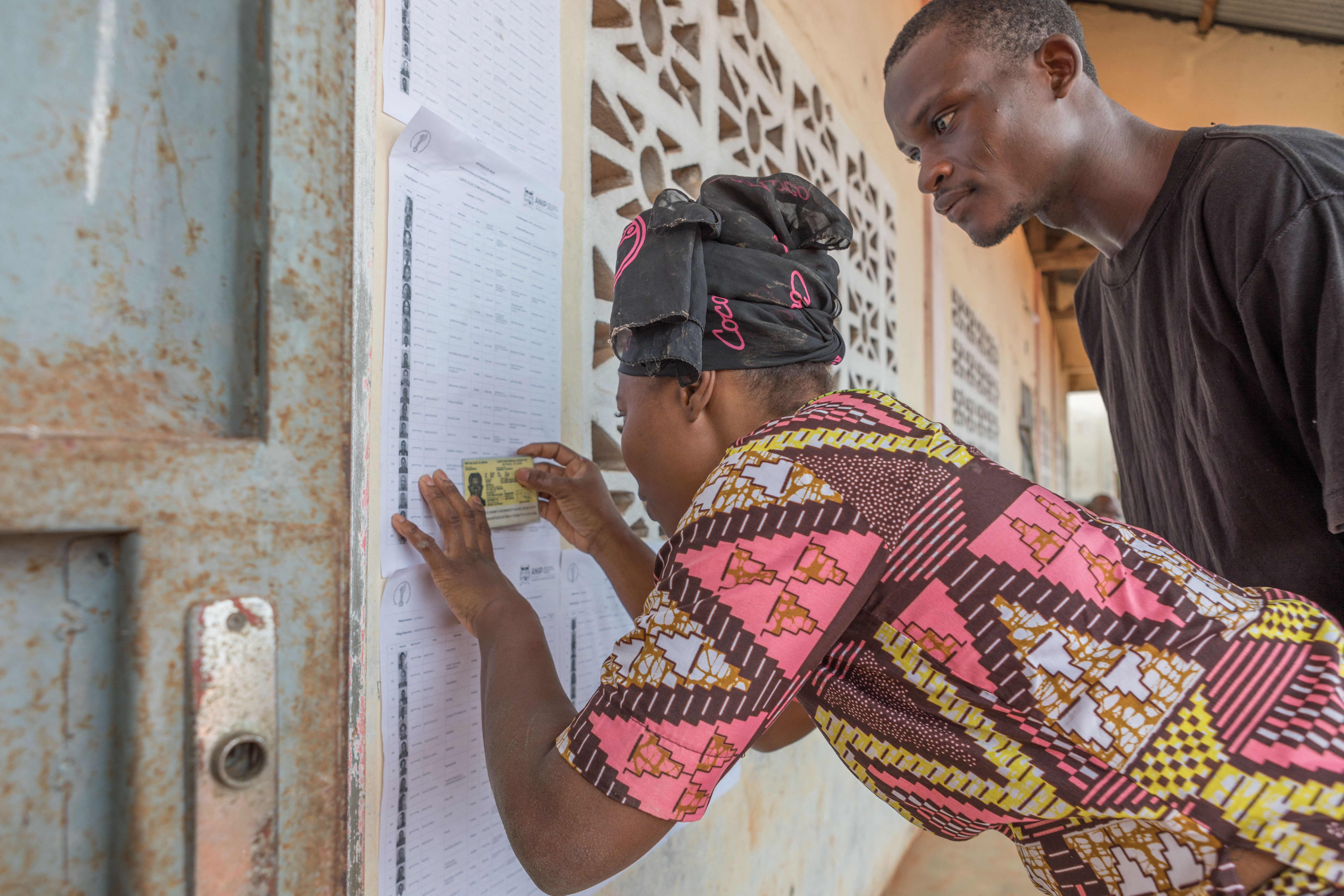
In Benin, where a new electoral code adopted in 2019 introduced reserved seats, women now make up 25.7% of MPs, up from 7.2% in the previous polls. © Yanick Folly/AFP
Setbacks for women’s representation in Tunisia also highlighted the importance of both quotas and electoral systems. In 2022, the country introduced a new electoral law that removed the requirement for candidate lists to be gender-equal and replaced the existing PR system with a single-member majority system. From a high of 31% representation in 2014, women accounted for just 16.2% of seats following parliamentary elections in 2022 and 2023. Tunisian women standing for election also faced intimidation and threats, jeopardizing their ability to compete on an equal footing with men.
While some countries are working hard to improve women’s representation in parliament, other countries appear to be moving backward. Sub-Saharan Africa recorded the biggest climbs in terms of female representation, but this progress was not uniform. In Nigeria, attempts failed to introduce a quota ahead of the 2023 elections. Following these renewals, women accounted for just 2.8% of MPs in the upper chamber and 3.9% in the lower chamber.
The struggle therefore continues for gender equality in parliaments. Besides offering the most reliable and comprehensive data on the subject, the IPU’s annual Women in Parliament report also shows what steps countries can take to further increase women’s representation.
