The IPU facilitates parliamentary diplomacy and empowers parliaments and parliamentarians to promote peace, democracy and sustainable development around the world.

We help parliaments build peaceful and inclusive societies, fight terrorism and violent extremism and curb the proliferation of weapons of mass destruction.
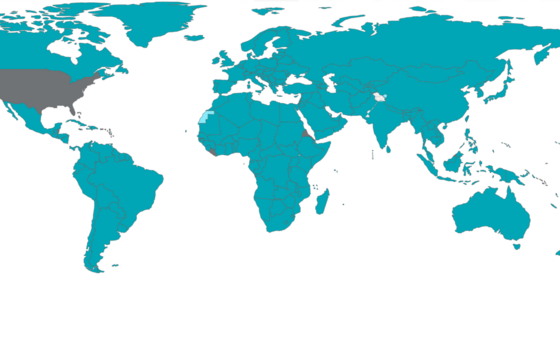
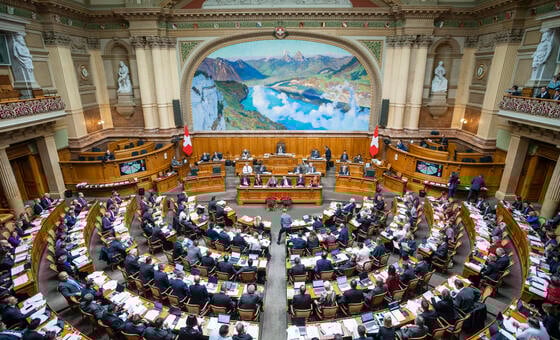
Nearly every country in the world has some form of parliament. Parliamentary systems fall into two categories: bicameral and unicameral. Out of 188 national parliaments in the world, 81 are bicameral (162 chambers) and 107 are unicameral, making a total of 269 chambers of parliament with some 44,000 members of parliament. IPU membership is made up of 183 national parliaments
Throughout the year, the IPU and its Members organize many events for parliamentarians to exchange good practices, acquire the latest information and identify avenues for action.
The IPU has been collecting data on parliaments since its inception in 1889, including information on women’s participation in politics since 1945. In this section, discover the IPU's knowledge bank for and about parliaments.
In this issue we get an MP’s perspective from Jamaica on how tech matters in daily parliamentary work, as well as an example from Austria of how data visualizations can help MPs and the general public to navigate the national budget. Importantly, this edition also introduces the first set of “Use cases for AI in parliaments” created by the parliaments in the IPU’s Centre for Innovation in Parliament (CIP) community that are at the forefront of experimenting with AI in parliamentary work.
Parliaments are increasingly looking to use artificial intelligence (AI) to improve efficiency, effectiveness and productivity. However, the path from recognizing this potential to implementing AI solutions can be complex and daunting, not to mention fraught with ethical as well as technical challenges. This is where “use cases” can help by setting out potential roadmaps for parliaments.
The Austrian Parliamentary Budget Office (PBO) created an online Citizen’s Budget tool, helping MPs and the general public to visualize and explore the national budget. The PBO tells the story of how the tool was implemented and the response it received.
Tamika Davis is a first-term MP from Jamaica, part of the historic high of 29% of incoming women MPs in the House of Representatives and the first woman to be elected in her constituency. The CIP team spoke with Ms Davis about her views on digital technologies.
Conference
Sixth World Conference of Speakers of Parliament
Jul292025
-
Geneva,
Switzerland
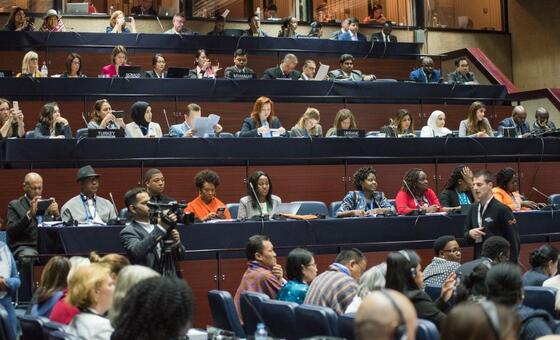
The Sixth World Conference of Speakers of Parliament, organized by the Inter-Parliamentary Union (IPU), in close collaboration with the United Nations, will take place from 29 to 31 July 2025 at the Palais des Nations (United Nations Office at Geneva).
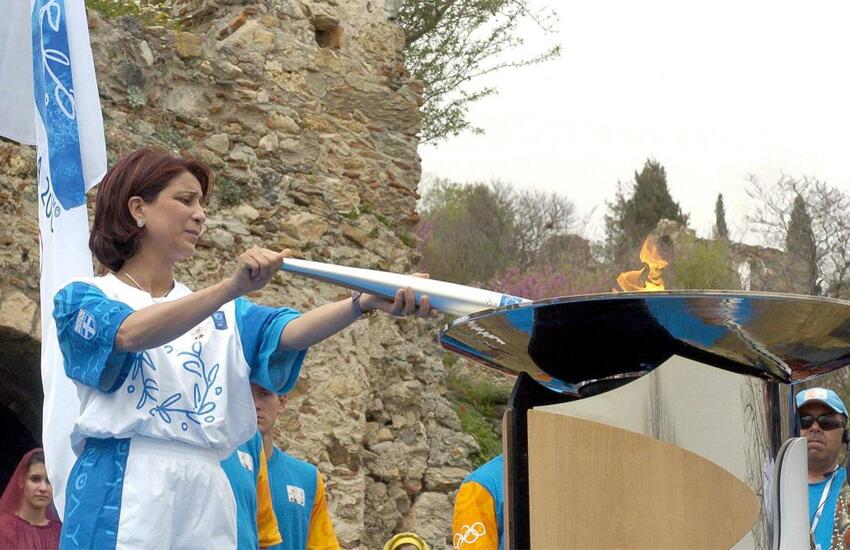
Excelling as a world-class athlete and performing parliamentary work both require determination, collaboration, and a commitment to excellence. As we count down to the Paris 2024 Olympics, let's meet five trailblazers who succeeded in both arenas. Sebastian Coe - United
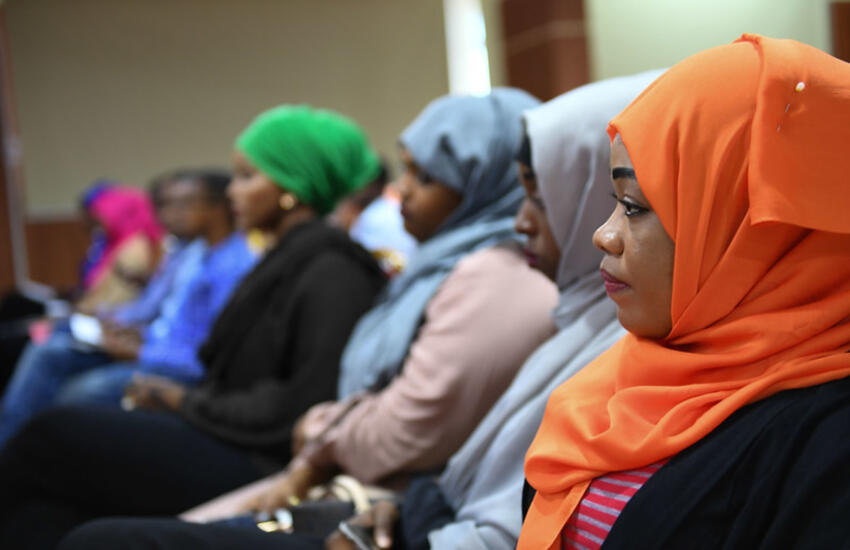
United Nations Security Council resolution 2250 (2015) on youth, peace, and security unanimously adopted in December 2015, recognized the essential role young people play in promoting and maintaining peace and security. The resolution urged Member States to increase inclusive representation
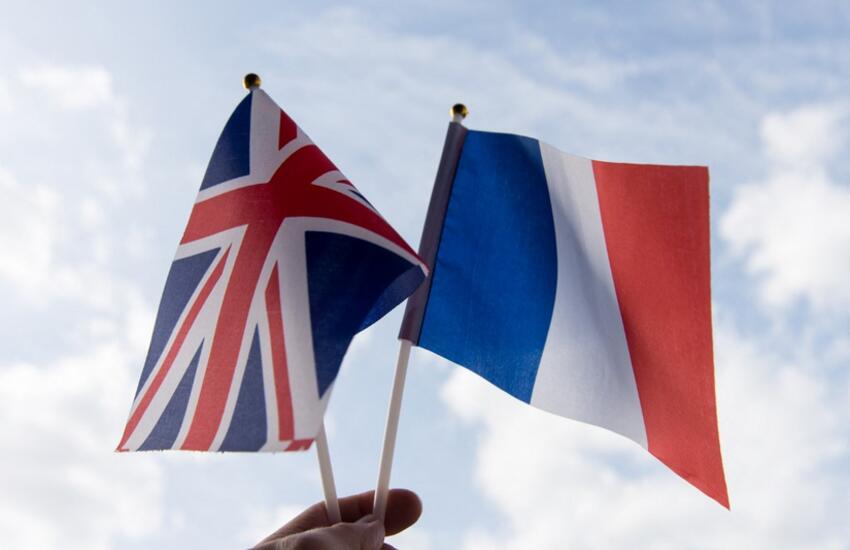
Following an intense week of elections, the IPU’s two founding members, France and the United Kingdom, have just completed their parliamentary elections. How have both parliaments fared in terms of gender equality? How do they compare to previous chambers and
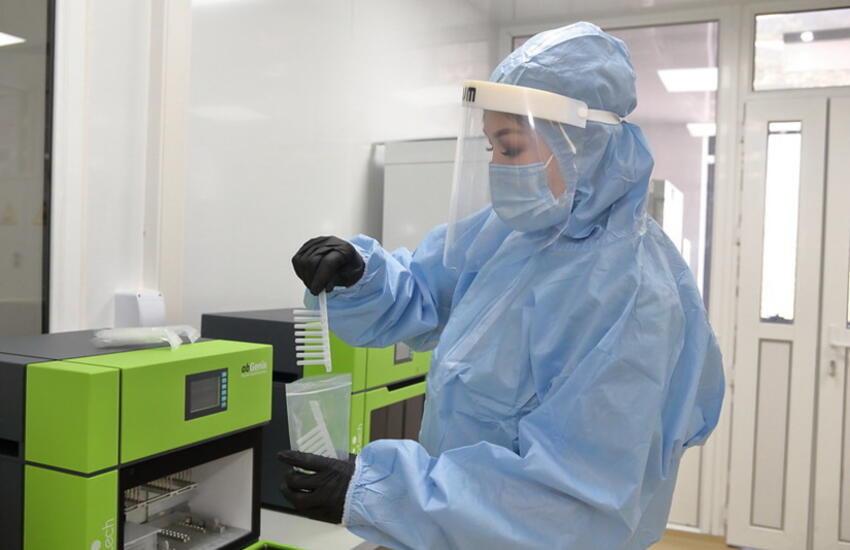
Uzbekistan’s recently adopted Development Strategy of New Uzbekistan 2022-2026 sets out ambitious objectives including increasing the country’s GDP by 1.6 times and qualifying as an upper-middle income country by 2030. Ensuring better health for the country’s 35 million citizens also